Exhaust problems tend to sneak up slowly. You might notice a little extra noise, a faint rattle under the floor, or a whiff of fumes when you back out of the driveway. Then one day the car sounds louder than usual, smells off, or even fails an inspection. Most of the time, those issues started as small exhaust problems that were easy to overlook.
What Your Exhaust System Really Does
The exhaust does more than quiet the engine. It carries hot gases away from the motor, helps control emissions, and keeps fumes from building up under the car or sneaking into the cabin. A healthy exhaust system routes that flow safely to the tailpipe so the engine can breathe the way it was designed to.
That system is made up of the exhaust manifold, pipes, catalytic converter, flex joints, resonators, mufflers, and the hangers that support everything. When one piece starts to fail, noise, smell, and performance usually change in ways you can feel from the driver’s seat.
Common Exhaust Problems We See All the Time
Some exhaust issues show up again and again in everyday driving:
- Rusted or cracked pipes, especially near welds, clamps, or low spots that see a lot of moisture and road salt
- Leaking exhaust manifolds or gaskets that cause ticking noises on cold starts
- Broken hangers that let parts sag, rattle, or bang against the body
- Failing flex pipes that crack where the engine’s movement is supposed to be absorbed
- Worn or clogged catalytic converters that trigger warning lights or reduce power
Sometimes several of these happen together. A rusty hanger can let a pipe sag, which puts extra stress on the flex joint and muffler until they start to leak too.
Warning Signs Your Exhaust Needs Attention
Your car usually gives you clues before an exhaust problem becomes serious. Pay attention if you notice:
- A deeper or harsher exhaust note, especially on acceleration
- Ticking or tapping from the engine bay that quiets as the engine warms up
- A rattle, thump, or metallic buzz from under the car over bumps
- Fumes or exhaust smell near the doors or inside the cabin
- A drop in fuel economy or sluggish response, along with an exhaust change
Exhaust leaks at the front of the system are more than just annoying. They can let fumes collect near the firewall and find their way into the cabin, which is a real safety concern, especially with the windows up.
How Small Exhaust Issues Turn Into Bigger Repairs
Early on, you might just hear a light rattle from a loose heat shield or a small leak that sounds like a faint puffing at idle. At that stage, repairs are often as simple as replacing a clamp, hanger, or short section of pipe.
As corrosion spreads or a crack grows, the leak gets louder, and the exhaust system moves around more than it should. That extra motion can stress other components and damage oxygen sensors or the catalytic converter. In the worst cases, a broken pipe can drag on the ground or bend, which may damage nearby parts like brake lines or wiring.
Owner Habits That Make Exhaust Problems Worse
A few common habits can speed up exhaust wear. Short trips in cool, damp weather let moisture collect inside the exhaust, where it sits and slowly eats at the metal. Frequent drives over rough roads or speed bumps can knock hangers loose or crack welds. Driving with an obvious leak for months lets hot gases cut away at edges and rust spread faster.
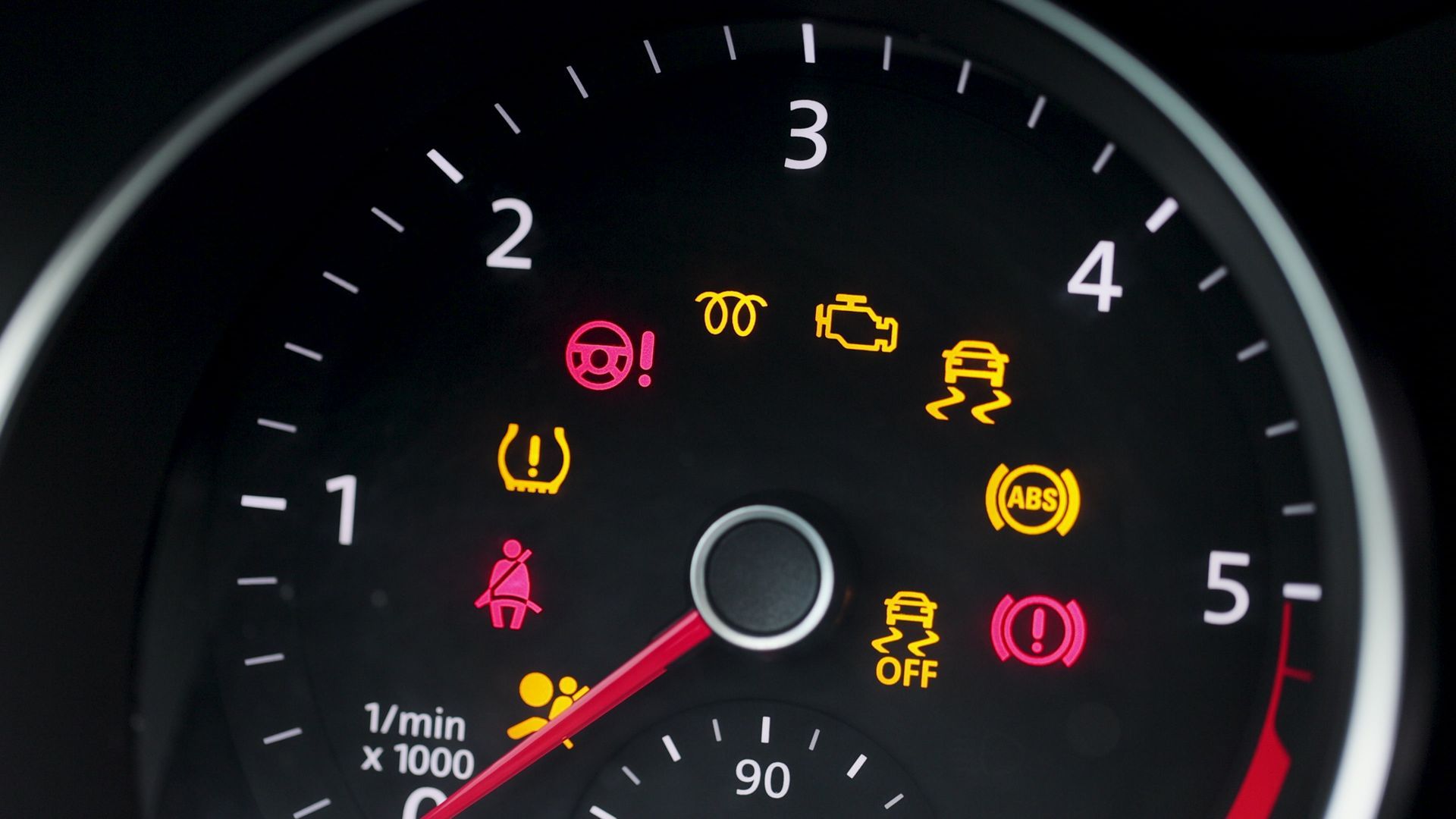
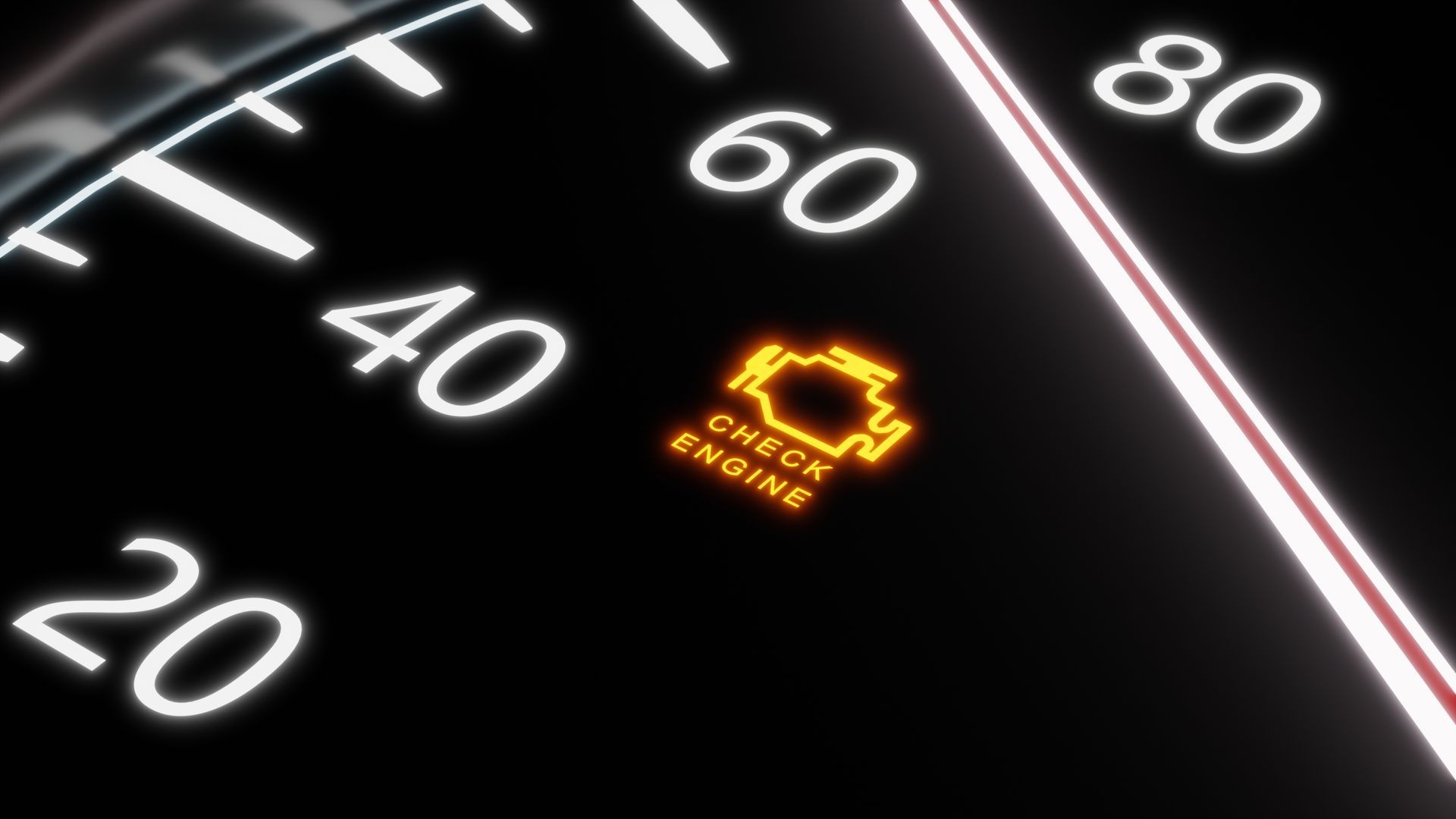
Ignoring a check engine light that points to exhaust or emissions problems is another way small issues grow. A failing oxygen sensor or a partially clogged catalytic converter can cause the engine to run poorly, leading to increased heat and unburned fuel in the exhaust. That extra stress then shortens the life of the rest of the system.
When Exhaust Problems Become a Safety Issue
Any time you smell exhaust inside the cabin, the situation moves beyond comfort. Exhaust contains carbon monoxide, which you cannot see and may not notice until you start to feel lightheaded or tired. If you ever get a headache or feel odd while driving and smell fumes, it is wise to open the windows, get fresh air, and have the system inspected soon.
Extremely loud exhaust or parts dragging on the pavement are also safety concerns. A pipe that breaks loose can catch on the road and affect steering or suspension. Sudden changes in power, odd noises from under the car, or a flashing check engine light combined with exhaust problems are all signs the car should be checked before regular driving continues.
Get Exhaust System Repair in Media, PA with Three Suns Auto Care
If your car has started sounding louder, smelling like exhaust, or making new rattles from underneath, this is a good time to have the exhaust system checked. We can inspect pipes, hangers, catalytic converters, and mufflers, then explain what needs attention now and what can be planned.
Schedule exhaust system repair in Media, PA with
Three Suns Auto Care, and we will help keep your vehicle quiet, efficient, and safe to drive.