A clunk over bumps can make your car feel older than it is. It might start as a single random thought in a parking lot. Then you notice it every time you hit a pothole, roll over a speed hump, or pull into a driveway at an angle.
Most clunks come from something that developed from wearing out. A worn joint, a loose mount, or a bushing that no longer holds things tight can create noise when the suspension loads and unloads. If you pay attention to when it happens and what makes it worse, you can narrow it down quickly.
What A Clunk Usually Means In Suspension Terms
Your suspension is full of parts designed to move in controlled ways. Bushings flex, joints pivot, and mounts isolate vibration. When one of those parts wears out, movement becomes less controlled. That extra movement turns into a clunk when metal shifts and contacts.
A clunk is different from a squeak or a rattle. A squeak often points to rubber dryness. A rattle is usually a lighter, faster sound. A clunk tends to be heavier and more “one big hit” than a constant vibration.
How Clunks Typically Start
Many clunks occur first at low speeds, like when pulling into a driveway or rolling over a speed hump. That is because the suspension is moving through a larger range at a slower, loaded rate. Later, the clunk can start happening over smaller road imperfections, especially if the worn part continues to loosen.
As the wear gets worse, you may also notice steering changes. The car might wander more. You may feel a slight knock through the steering wheel. You can also see uneven tire wear start to develop if the wheel angles are shifting.
Sway Bar Links And Bushings
Sway bar links connect the sway bar to the suspension. They take a beating on rough roads. When the small joints inside the links wear out, you often hear a clunk or a tapping over bumps, especially when one wheel hits the bump more than the other.
Sway bar bushings can also wear and allow the bar to shift. This often creates a clunk that is more noticeable during low-speed bumps and turns. In our bays, this is one of the first places we check because it is common and the noise signature is familiar.
Control Arm Bushings And Ball Joints
Control arms locate the wheel and manage how it moves through its travel. The bushings are meant to flex, but they also need to hold alignment angles stable. When a control arm bushing tears or softens, the wheel can shift under braking or bumps. That can create a clunk plus a change in steering feel.
Ball joints can also clunk when they develop play. A worn ball joint is a safety issue because it holds the steering knuckle in position. If the clunk is paired with steering looseness or wandering, this area deserves quick inspection.
Struts, Shocks, And Upper Mounts
A worn strut mount can create a clunk when the suspension compresses. It can also create noise during steering input because the strut rotates with the wheel on many vehicles. If the mount or bearing is worn, it can shift and knock.
Shocks and struts themselves can also create clunks if they are worn internally or if a mounting bolt is loose. Drivers sometimes notice a clunk plus extra bouncing after bumps. That combination often points toward worn damping parts or worn mounts.
Loose Hardware And Things That Mimic Suspension Clunks
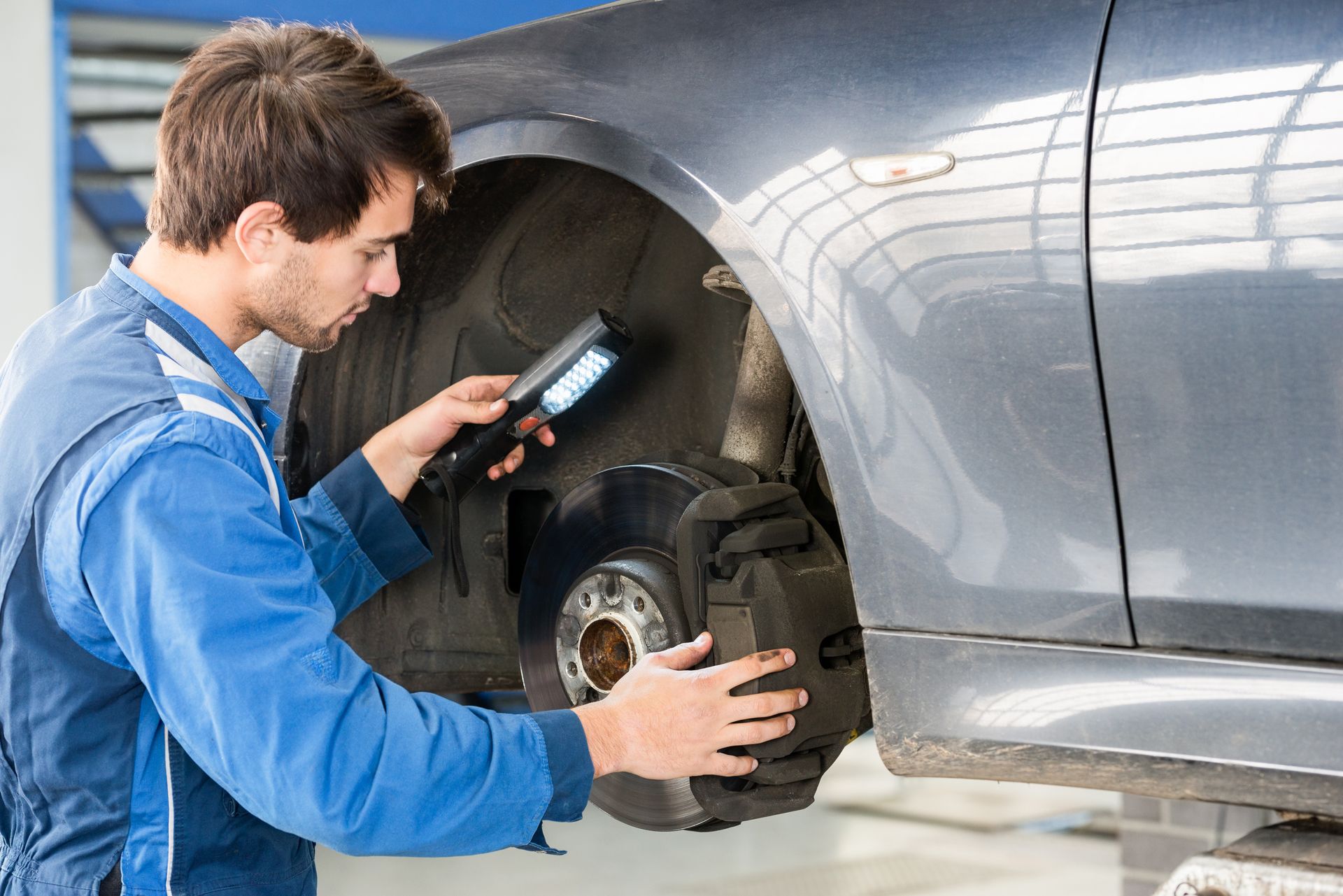
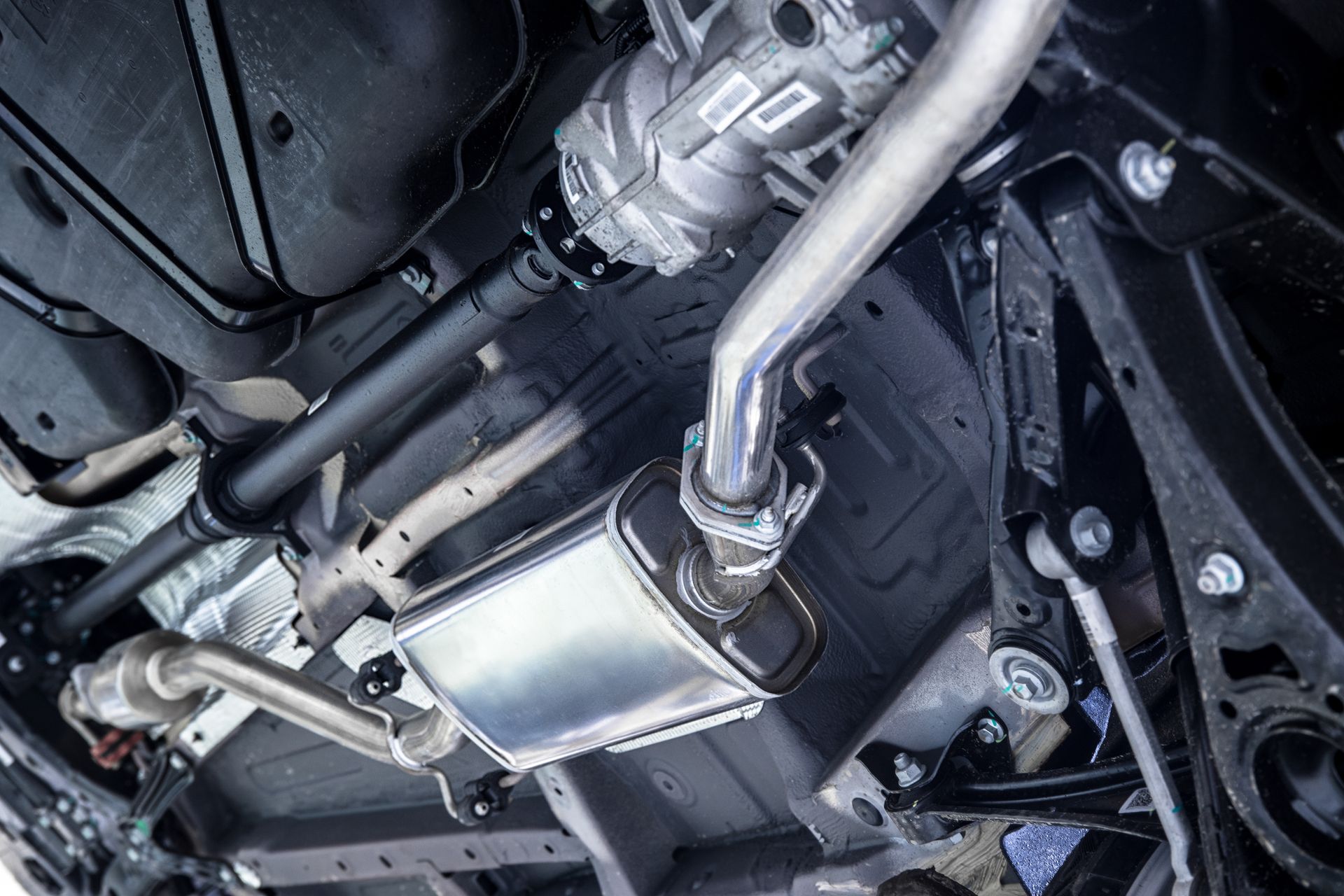
Not every clunk is a suspension joint. Heat shields, exhaust hangers, loose underbody panels, and even a spare tire or jack in the trunk can make a sound that feels like suspension trouble. Brake hardware can also clunk if pads are shifting in their brackets due to missing or worn clips.
A quick clue is whether the clunk changes when you brake lightly over a bump. If braking changes the sound, control arm bushings and brake hardware become more likely. If the clunk is identical no matter what you do with the brake pedal, sway bar components, or mounts often move up the list.
Get Suspension Inspection in Media, PA, with Three Suns Auto Care
We will inspect your suspension and steering components, pinpoint what is causing the clunk, and recommend the repair that actually fixes the noise. We’ll also check for related wear that could affect alignment or tire life.
Call
Three Suns Auto Care in Media, PA, to schedule an inspection and get your ride quiet again.