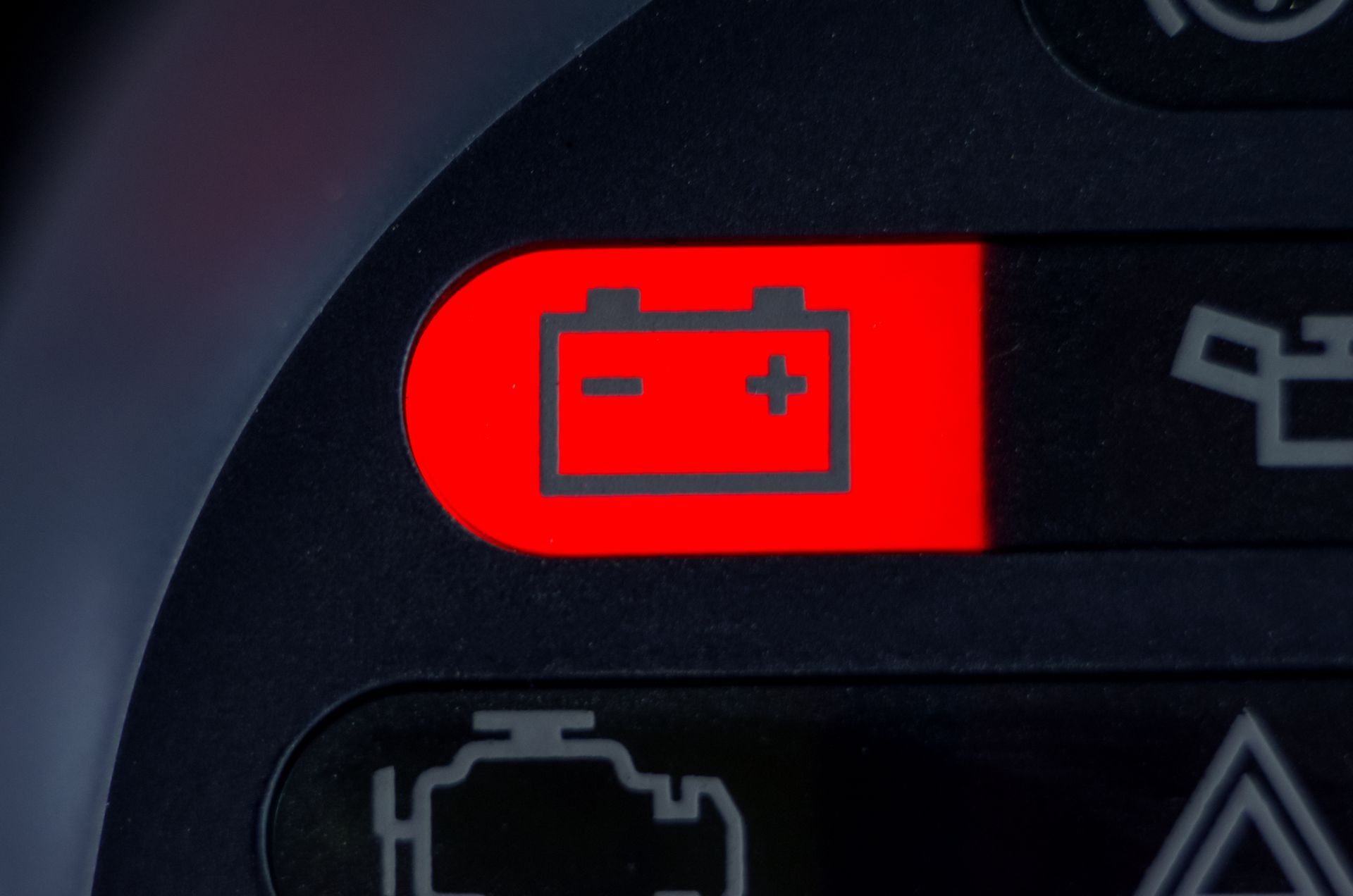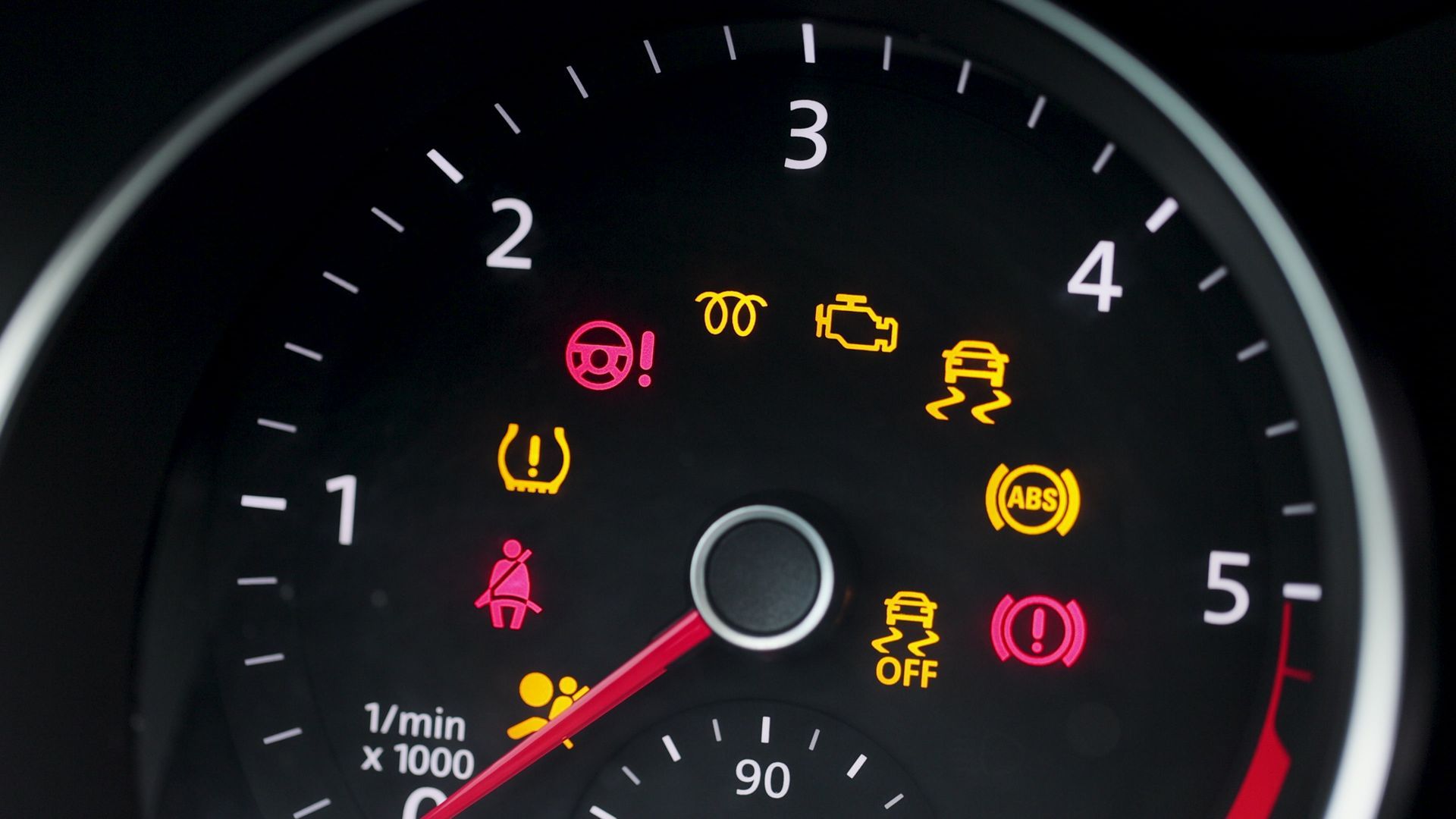
A glowing check engine light can feel vague, but the causes are usually traceable with the right steps. Some triggers are minor and safe to address soon, while others can lead to damage if you keep driving. Here are seven of the most common reasons the light turns on, plus what an accurate diagnosis looks like.
1. Loose or Faulty Gas Cap
A loose, cracked, or missing gas cap lets fuel vapors escape, which the engine computer reads as an EVAP leak. You might catch a faint fuel odor after fill-ups or notice the light appears a day or two after refueling. Tightening the cap until it clicks often solves it, but worn seals can keep the code returning. A quick pressure or smoke test confirms whether the cap seals properly or needs replacement.
2. Failing Oxygen Sensor
Oxygen sensors measure how much oxygen remains in the exhaust so the computer can fine tune fuel delivery. When a sensor grows slow or fails, the engine can run rich or lean, hurting fuel economy and emissions. You may notice rough idle or a sluggish feel on hills. Live data shows slow switching or stuck readings, and upstream versus downstream sensors help pinpoint whether fueling control or catalyst monitoring is the problem.
3. Mass Air Flow (MAF) Sensor Issues
The MAF tells the computer how much air enters the engine. Dirt, oil film from some air filters, or an aging sensor can skew the reading. Symptoms often include hesitation from a stop, stumbles on quick throttle, or hard cold starts. Cleaning helps only if contamination is the cause; otherwise, comparing MAF grams per second to expected values at idle and at 2,500 rpm reveals a weak sensor or an intake leak confusing the reading.
4. Catalytic Converter Efficiency Problems
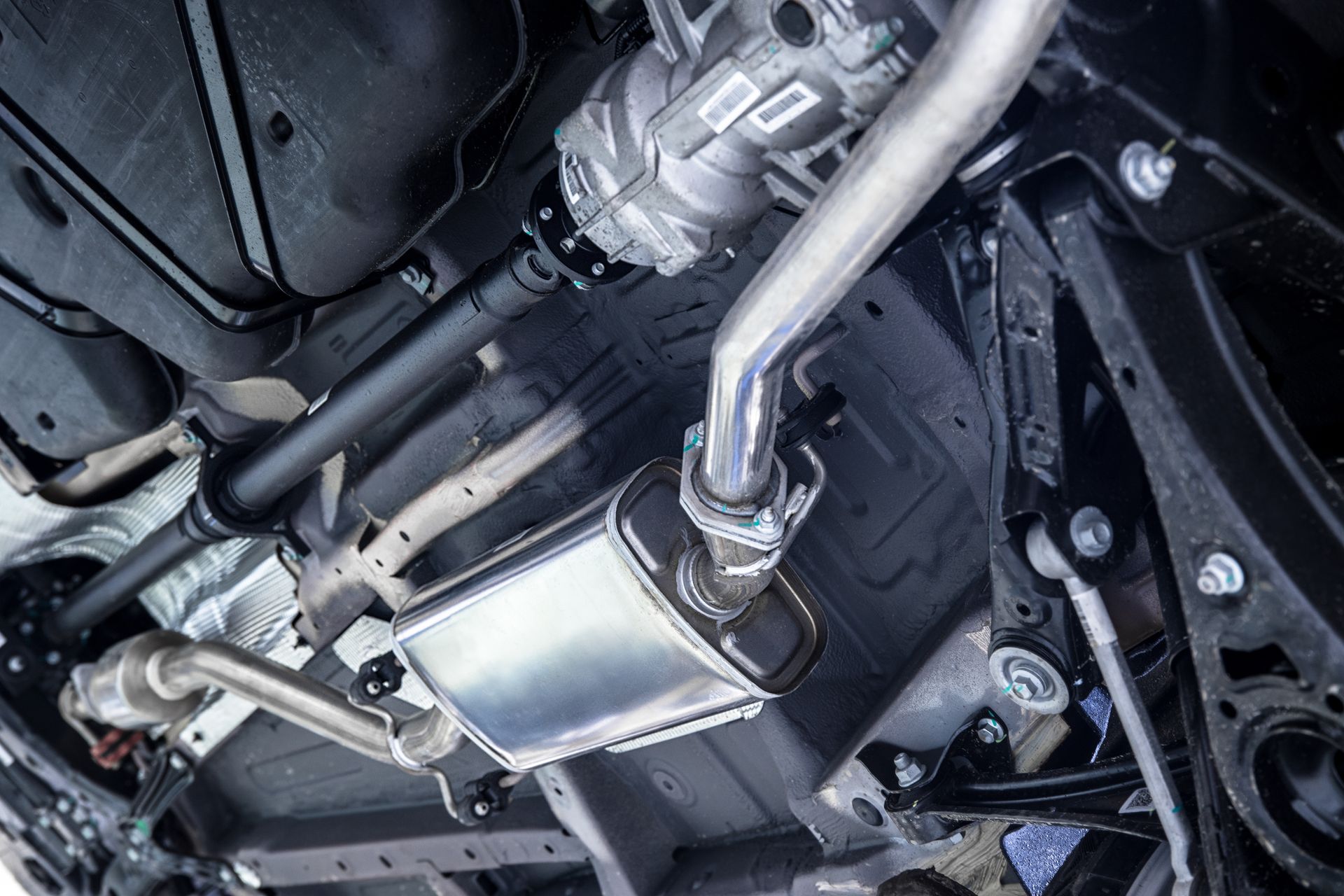
When the catalyst is not storing and converting exhaust gases effectively, the computer flags low efficiency. Misfires, oil burning, or long periods of rich running can overheat and wear out the converter. Drivers often report a rattling sound on startup or a loss of power at highway speeds. Testing includes checking upstream and downstream oxygen sensor patterns and measuring backpressure to confirm whether the converter is restricted or simply reporting another engine fault upstream.
5. Ignition Coil or Spark Plug Misfires
A misfire lets raw fuel slip into the exhaust, which can overheat the catalyst if ignored. The car may shake at idle, stumble under load, or blink the check engine light during hard acceleration. Coils on plug systems often fail one cylinder at a time, and swapping coils is a quick way to see if the misfire follows the part. Scope testing confirms coil performance, and inspecting plugs for wear or oil fouling helps decide whether the fix is a coil, plug set, or a deeper issue like valve cover gasket leaks.
6. EVAP System Leaks Beyond the Gas Cap
The EVAP system seals and stores fuel vapors until they can be burned. Cracked hoses, a sticking purge or vent valve, or a leaky canister can all trigger small and large leak codes. You might not feel any drivability change, which is why these codes often linger. A smoke machine is the go to tool here, allowing the technician to see vapor escaping at a hose joint, charcoal canister seam, or a valve that fails to hold pressure.
7. EGR or Intake Air System Faults
Exhaust gas recirculation reduces combustion temperatures and emissions, but carbon buildup can clog passages or stick valves. Driveability clues include pinging under load, rough idle, or stalling when coming to a stop. Intake system faults, such as a torn boot after the MAF or a dirty throttle body, can create similar symptoms and codes. Checking commanded versus actual EGR flow and inspecting intake ducts and throttle deposits points the diagnosis in the right direction.
Quick tip: If the check engine light flashes while you accelerate, ease off and schedule service ASAP. A flashing light usually indicates an active misfire that can damage the catalytic converter if you keep driving the car.
What You Can Do Before Your Appointment
If the car drives normally and the light comes on after a fuel stop, tighten the gas cap and give it a day of driving to see if it clears.
If the light flashes, the engine runs rough, or you smell fuel, reduce driving and schedule service.
Noting when the light comes on, such as at highway speeds or after a cold start, helps us reproduce the conditions and solve it faster.
Get Professional Check Engine Light Diagnostics in Media, PA with Three Suns Auto Care
When that light comes on, bring your car to our team in Media. We’ll read the codes, verify the root cause with the right tests, and explain clear options to get you back to a smooth, efficient drive. Book a visit today and leave with answers, not guesses.