A hot-plastic smell when you turn the heater on usually means something that shouldn't be heating up is. Sometimes it’s the electrical part getting too warm. Other times it’s plastic, dust, or a spill making contact with a hot surface or hot airflow.
Either way, treat it as a real symptom, not just a weird odor.
What The Smell Usually Indicates
Hot plastic is often the smell of insulation, wiring, or a polymer surface overheating. That can happen when electrical resistance rises in a connector or motor, or when a part is partially shorting and generating heat. It can also come from plastic trim or ducting overheating because a heat door is misdirecting airflow.
The reason this smell stands out is that it tends to be sharper and more chemical than normal warm-dust heater smells. If you notice it suddenly and it’s strong, assume something is running hotter than it should until proven otherwise.
Why It Shows Up When You Turn The Heat On
When you switch the heater on, you’re increasing blower speed, moving more air through the HVAC box, and often putting extra electrical load on the system. The blower motor draws significant current, and higher fan speeds draw more. If there’s a weak connection, that extra current turns a minor issue into a noticeable smell.
Heat also changes under-hood and under-dash temperatures quickly. A slightly leaking fluid or debris on a warm surface may not smell much with the fan off. Once air starts moving, the odor gets pulled into the cabin and becomes impossible to ignore.
Electrical Problems That Create A Hot Plastic Odor
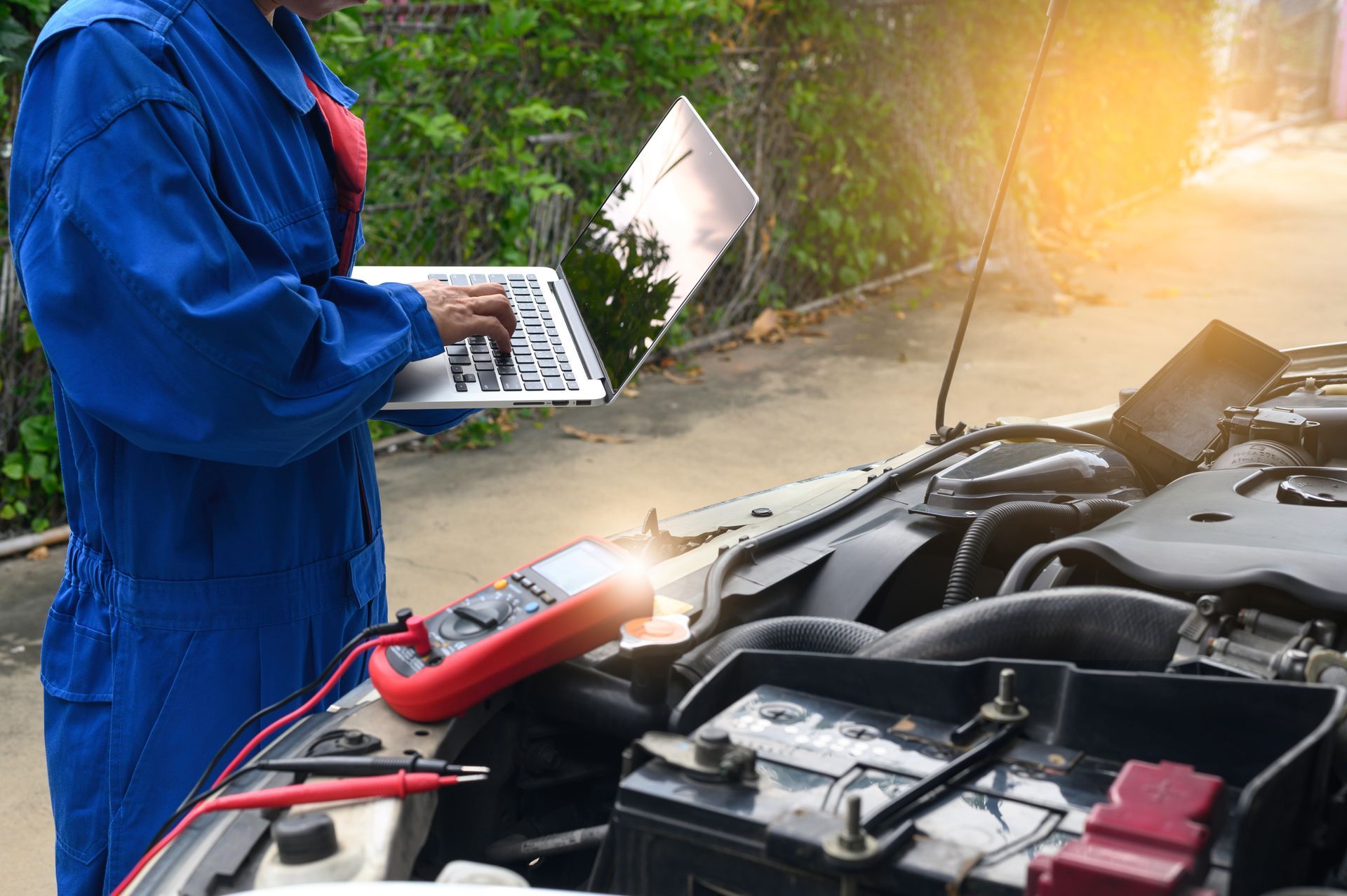
The blower motor circuit is one of the first places to suspect. A failing blower motor can overheat internally, and a worn resistor or control module can heat up connectors. The smell may be strongest on certain fan speeds, which is a useful clue because some systems route current differently depending on speed setting.
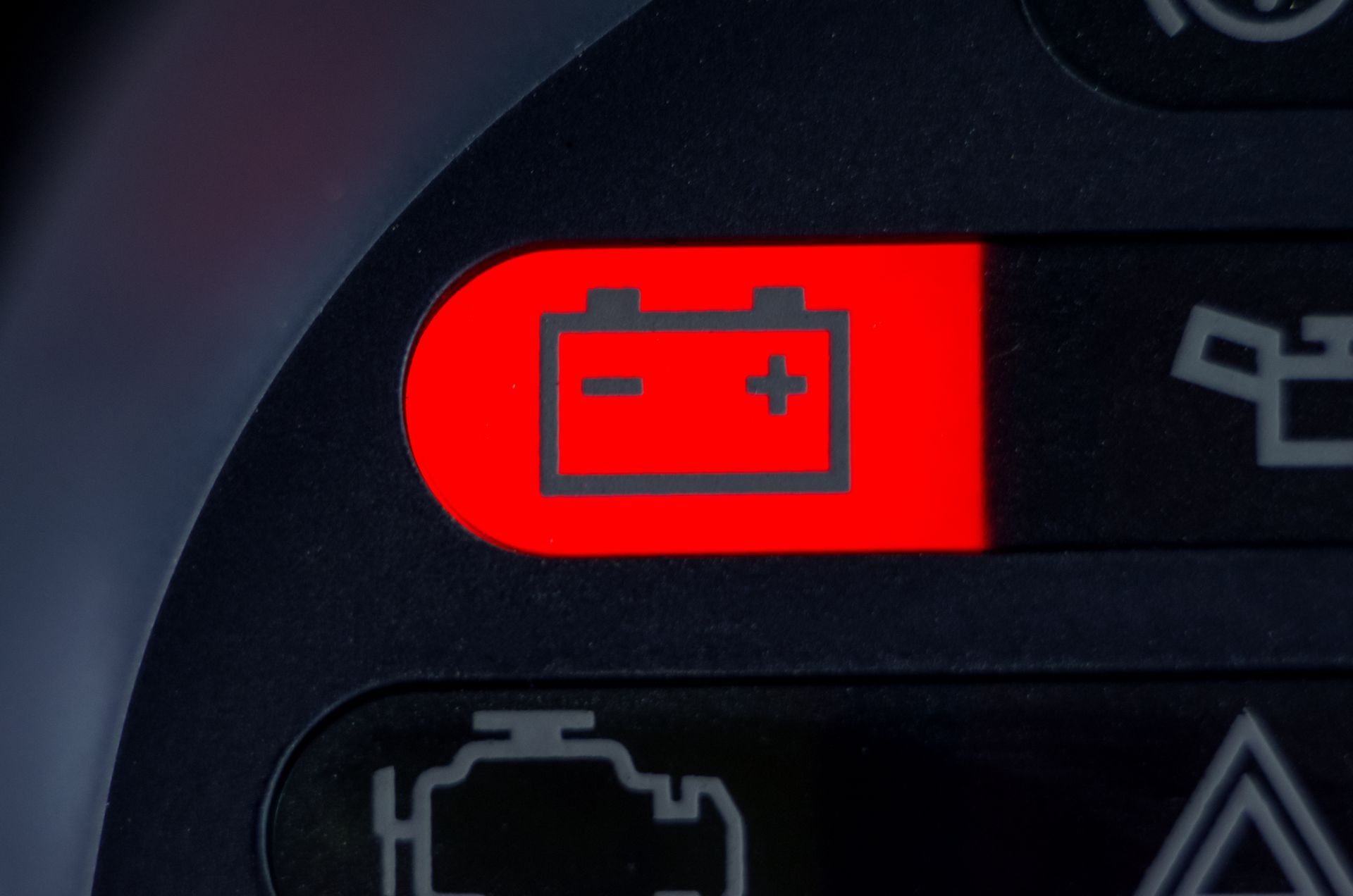
Loose grounds and weak battery connections can also contribute by creating extra resistance and heat at contact points. That is why regular maintenance checks on terminals and grounds reduce strange electrical symptoms. If the lights dim when the fan is on high or if the fan speed changes on its own, the electrical side needs attention.
HVAC And Cabin Sources That Smell Like Melting Plastic
Not every hot-plastic smell is a wiring problem. HVAC ducts can carry odors from inside the cabin, and a surprising number of smells come from items near the vents or under the dash. A dropped wrapper, a plastic bag, or a floor mat edge touching a warm duct can create a melting odor once the heat is on full blast.
Cabin air filters can also play a role. If a filter is clogged with debris, airflow changes and components can run hotter than expected, especially on high fan settings. If you’ve had recent interior work, a connector left slightly loose or a duct not seated correctly can also create localized heat and odor.
Under-Hood Leaks And Debris That Burn On Hot Surfaces
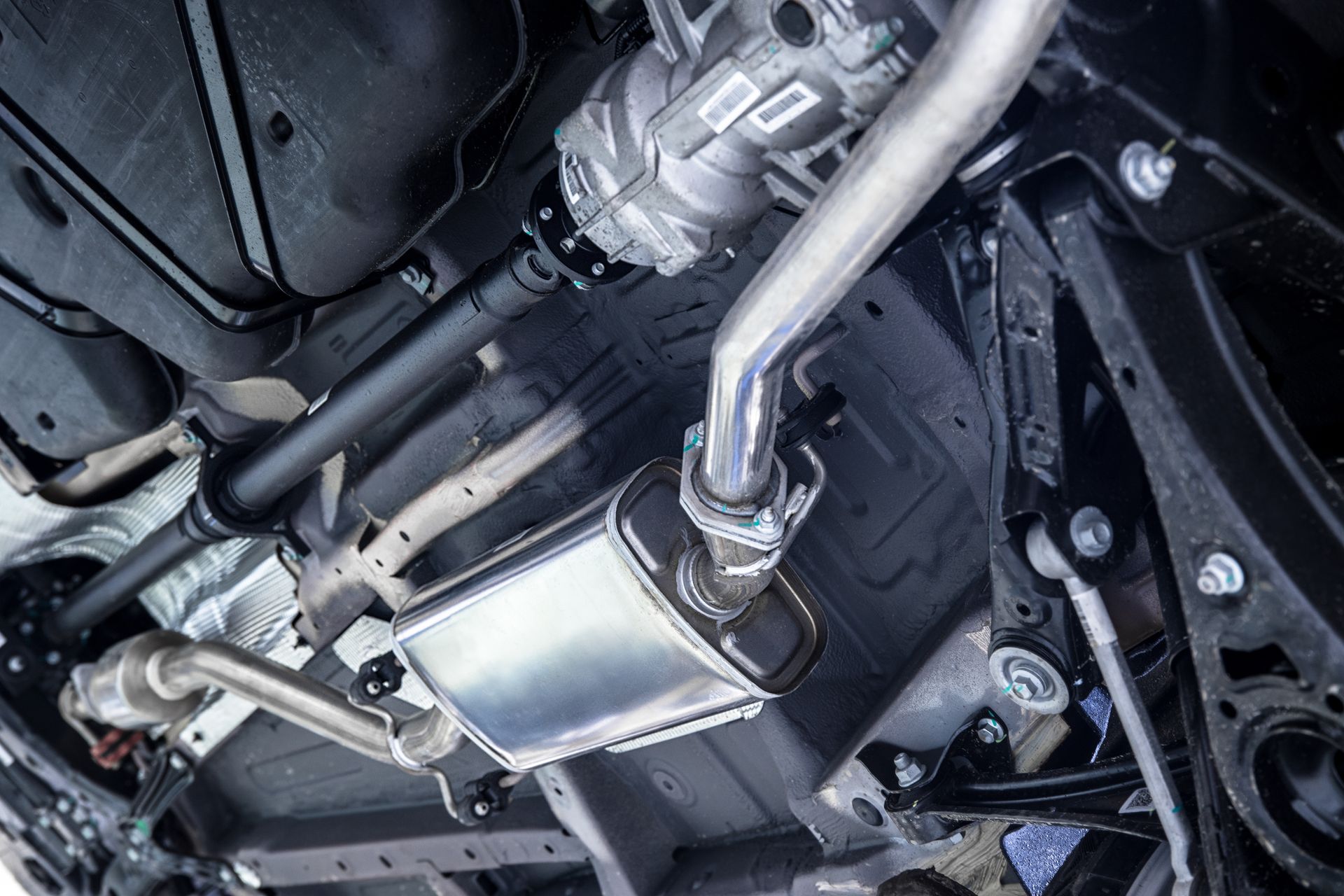
Oil or coolant leaks can land on hot engine parts and create a strong smell that gets pulled into the cabin when the heater draws air from the cowl area. While those leaks don’t always smell exactly like plastic, many drivers describe any sharp burning odor that way. A small drip onto an exhaust shield can smell nasty without leaving a puddle on the ground.
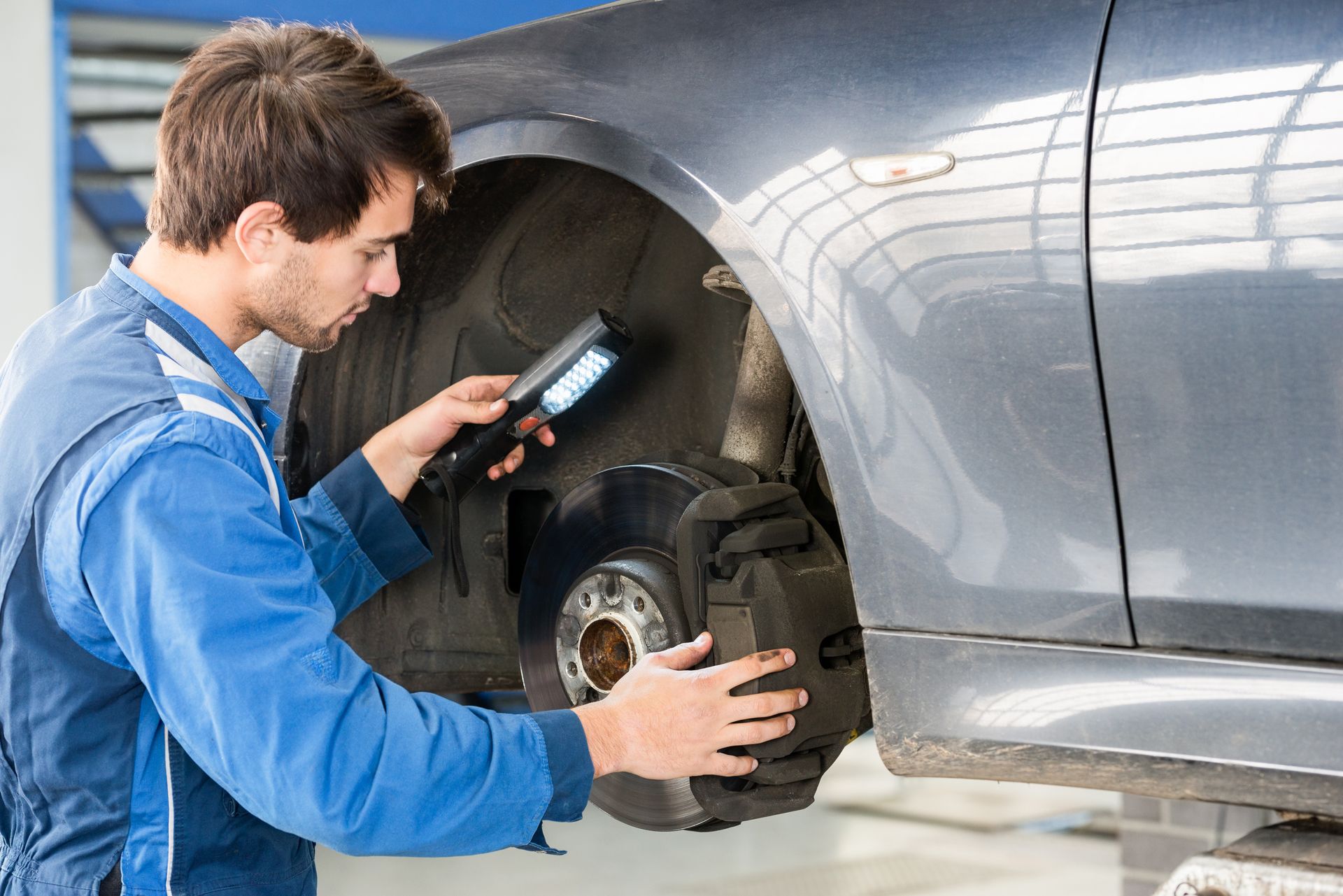
Debris is another common cause. Leaves and road grit can collect near the exhaust, on splash shields, or around the base of the windshield. When the engine warms and the heater fan runs, that debris can bake and smell like hot synthetic material. A quick check for debris buildup is simple, but confirming the source is easier on a lift.
What To Do Right Away And What Not To Do
If the smell is mild and brief, you can gather a few facts that help pinpoint it. Note the fan speed, whether the smell appears only with heat or also with A/C, and whether it’s strongest at idle or while driving. If the odor is persistent, don’t keep running the heater on high just to see what happens.
If any of these signs show up, stop using the heater and get the car checked:
- Visible smoke from vents or under the hood
- Blower fan cutting in and out, or only working on one speed
- Headlights dimming noticeably when the fan is turned up
- A smell that gets stronger each minute the heater runs
- Melted plastic look around vents, wiring, or under-dash panels
Avoid spraying deodorizer into the vents or stuffing anything into the intake to mask it. That can make diagnosis harder and can introduce new flammable residue into a hot airflow path.
Get Heater Odor Help In Media, PA, With Three Suns Auto Care
If your car smells like hot plastic when the heater is on, the next step is tracing whether it’s an overheating electrical component, a blower circuit problem, or something heating up in the HVAC path, then fixing it before it damages wiring or ducting. Schedule an inspection at Three Suns Auto Care in Media, PA, and we’ll track down the source and get your heat working without the burning smell.
You should be able to run the heater without worrying about what you’re breathing in.