A spongy brake pedal is one of those car problems that gets your attention immediately, and for good reason. Most drivers know how their brakes normally feel. You press the pedal, the car responds, and everything feels firm and predictable. So when the pedal suddenly feels soft, squishy, or like it sinks farther than it should, it is hard not to wonder what is going on.
At our shop, we take that complaint seriously every time. Brakes are not an area where you want to guess, wait too long, or hope the problem sorts itself out. If the pedal feels different, there is a reason. Sometimes it is something relatively straightforward. Other times, it points to a leak, trapped air, or a failing hydraulic part that needs attention right away.
The good news is that spongy brakes usually leave clues, and once we pinpoint the cause, there is a clear way to fix it. The important part is understanding what that soft pedal may be trying to tell you.
What People Mean By “Spongy” Brakes
When drivers describe brakes as spongy, they are usually talking about one of a few things. The pedal may feel softer than normal. It may travel lower toward the floor before the car starts slowing down. It may feel like it has too much give in it, almost like pressing on a sponge instead of something firm.
Some people also describe it this way:
- The brake pedal feels mushy
- I have to push farther than I used to
- The car still stops, but the pedal does not feel solid
- The pedal feels soft and not very confident
- It seems to sink more at stoplights
That change in feel matters because your brake system is designed to transfer pressure cleanly and firmly. When that pressure is compromised, the pedal feel changes.
Why Brake Pedal Feel Matters So Much
A healthy brake pedal should feel firm and responsive. That does not mean rock hard, but it should not feel vague or squishy either. When the brakes feel spongy, it often means something is affecting hydraulic pressure in the system.
That matters because your braking system depends on fluid pressure to do its job. When you press the pedal, brake fluid moves that force through the brake lines to the calipers or wheel cylinders. If there is air in the lines, fluid leaking out, contaminated fluid, or a part failing internally, the system may not build pressure the way it should.
And when that happens, your stopping performance can suffer.
Air In The Brake Lines
One of the most common causes of a spongy brake pedal is air in the brake lines. Brake systems are supposed to be filled with fluid, not air. Fluid does not compress the way air does. So when air gets into the system, pressing the pedal can feel soft or springy because that trapped air compresses before the brakes respond fully.
Air can get into the lines for several reasons. It may happen after certain brake repairs if the system was not bled properly. It can also happen if there is a leak somewhere that allowed air to enter.
This is one of the first things we consider when someone says the brake pedal feels soft right after brake work or after the brake fluid level has gotten too low.
Low Brake Fluid
Low brake fluid is another very common cause. If the fluid level drops too far, the system may not be able to maintain the hydraulic pressure it needs. That can lead to a softer pedal and reduced braking performance.
Low brake fluid does not usually happen for no reason. It may be low because:
- The brake pads are worn and the calipers are extended farther
- There is a leak in the brake system
- Fluid was lost during a repair or service issue
A low brake fluid level should never be ignored. It is not just a matter of topping it off and moving on. We always want to know why it got low in the first place.
Brake Fluid Leaks
If the brake system is leaking, that is a major safety concern and one of the most serious reasons for a spongy pedal. Brake fluid can leak from brake lines, hoses, calipers, wheel cylinders, the master cylinder, or other parts of the system.
A leak reduces the system’s ability to build and hold pressure. That often causes the pedal to feel soft, sink lower, or require more effort to stop the vehicle.
Signs that may point to a brake fluid leak include:
- A spongy or sinking pedal
- Brake fluid level dropping
- Wet spots near wheels or under the vehicle
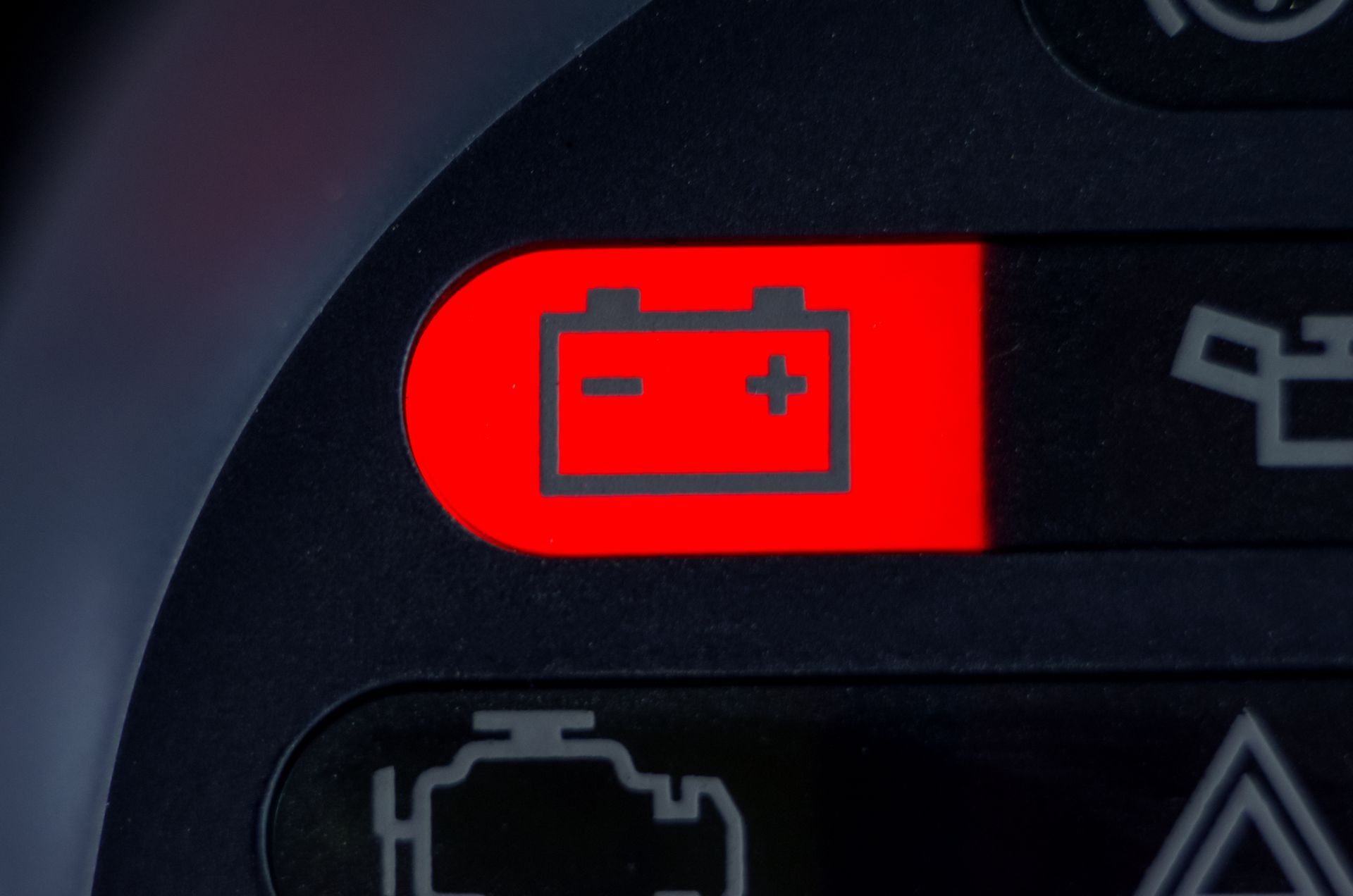
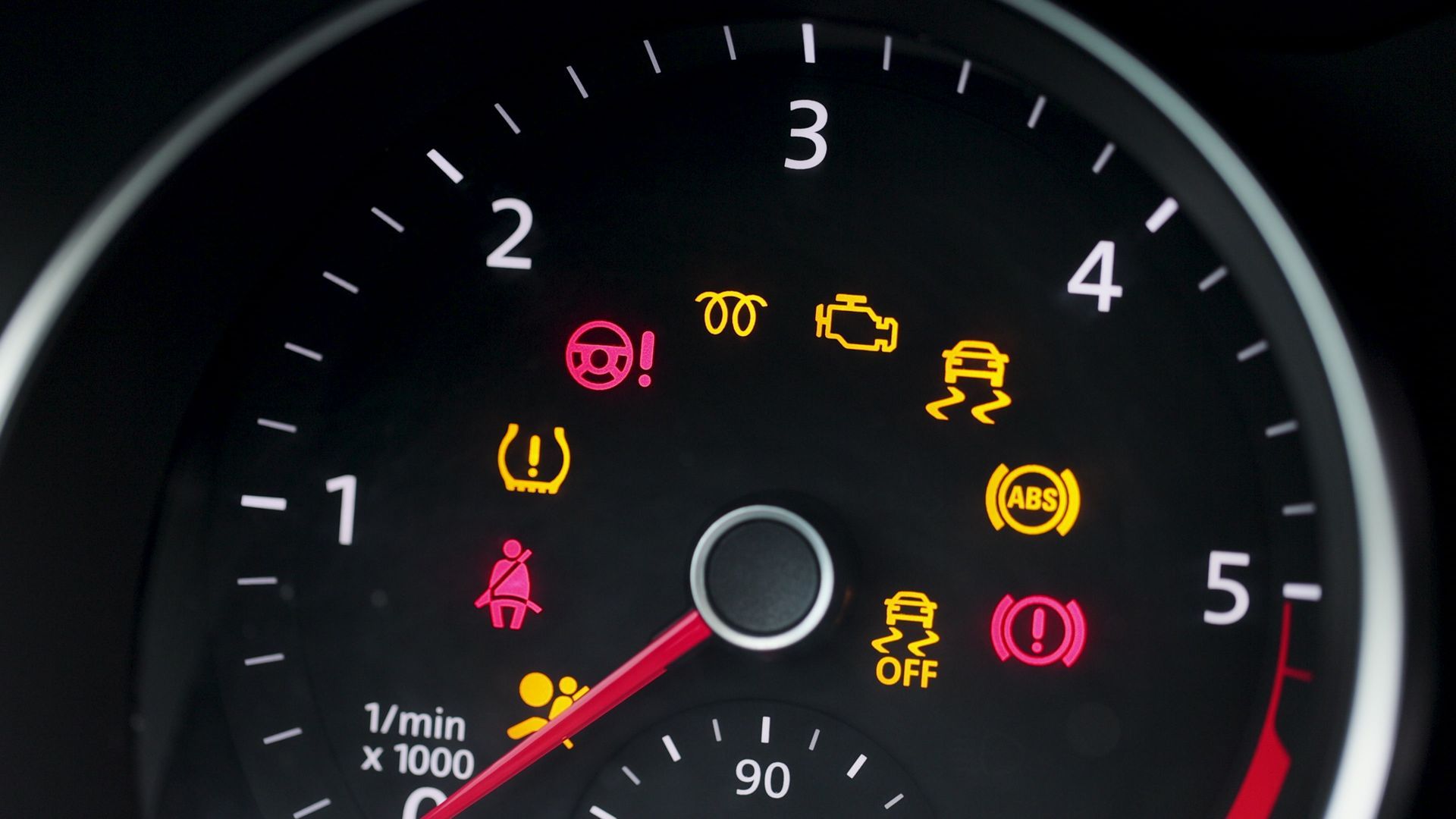
- A brake warning light
- Reduced stopping confidence
This is not the kind of problem to monitor for a week and see what happens. If brake fluid is leaking, the system needs to be inspected right away.
Old Or Contaminated Brake Fluid
Brake fluid does not last forever. Over time, it can absorb moisture from the air. That moisture contamination affects performance and can make the brake pedal feel less firm, especially under repeated braking or hard use.
Moisture in the brake fluid can lower the fluid’s boiling point and make the system more vulnerable to softness or fade when it gets hot. Even outside of performance driving, old fluid can affect how solid the pedal feels over time.
This is one reason brake fluid service matters. A lot of drivers do not think about brake fluid until there is a problem, but keeping it fresh helps protect both pedal feel and system components.
Failing Master Cylinder
The master cylinder is the part that creates hydraulic pressure when you press the brake pedal. If it starts failing internally, the system may lose its ability to hold pressure properly. That can cause the pedal to feel soft or slowly sink when you keep steady pressure on it.
This kind of failure is not always dramatic at first. Sometimes the brakes still work, but the pedal no longer feels stable or reassuring.
A failing master cylinder may cause:
- A soft or sinking pedal
- Inconsistent pedal feel
- Difficulty maintaining firm braking pressure
- Brake warning symptoms without an obvious external leak
When we suspect a master cylinder problem, we test carefully because it can mimic other hydraulic issues.
Flexible Brake Hose Problems
Brake hoses are designed to handle pressure while still flexing with suspension and steering movement. Over time, though, they can weaken internally or externally. In some cases, an aging brake hose may expand more than it should when pressure is applied, which can contribute to a softer pedal feel.
This is not always the first thing drivers think of, but it absolutely can be part of the issue, especially on older vehicles. If the hoses are cracked, swollen, or deteriorated, replacement may be necessary not just for pedal feel, but for overall safety.
Rear Drum Brake Adjustment Issues
If your vehicle has rear drum brakes instead of rear disc brakes, poor adjustment can sometimes make the pedal feel lower or softer than normal. Drum brakes need proper adjustment to maintain correct pedal height and response.
When they are out of adjustment, the brake pedal may travel farther before full braking force is applied. Drivers often describe that as a soft or delayed pedal.
This is one reason we look at the full brake system instead of focusing only on the front brakes or the most obvious component.
What To Do If Your Brakes Feel Spongy
If your brakes suddenly feel spongy, the smartest move is to treat it as a real brake issue until proven otherwise. Do not assume it is minor just because the car still stops.
A few important steps:
- Avoid driving the vehicle more than necessary
- Check whether a brake warning light is on
- Do not keep topping off fluid without finding the cause
- Have the system inspected as soon as possible
If the pedal feels extremely soft, goes close to the floor, or braking performance feels noticeably reduced, it is better not to keep driving it at all.
How We Diagnose Spongy Brakes
When a vehicle comes into our shop with a soft or spongy pedal, we do not jump to conclusions. Several different issues can create similar symptoms, so we inspect the system carefully to find the real cause.
That may include:
- Checking brake fluid level and condition
- Inspecting for leaks
- Looking at calipers, hoses, and wheel cylinders
- Testing pedal behavior
- Evaluating the master cylinder
- Checking brake pad and shoe wear
- Inspecting rear brake adjustment if applicable
The goal is to solve the actual problem, not just make the pedal feel a little better temporarily.
Repair for Spongy Brakes at Three Suns Auto Care
If your brake pedal feels soft, spongy, or lower than normal, bring your vehicle to Three Suns Auto Care. We can inspect the braking system, find the cause, and make the right repair to restore safe, solid braking.
Call us today or stop by
Three Suns Auto Care in Media, PA, to schedule a brake inspection.