Checking engine oil is one of those small habits that can save an engine from a very expensive day. It takes a minute, but many drivers only think about it when the oil light comes on, and by then the engine may already be running with too little protection.
The dipstick tells a story.
It can show low oil, dirty oil, oil that smells like fuel, or signs that the engine is leaking or burning oil between services. You do not need to be a mechanic to spot the basics. You just need to check it the right way and check it often enough.
A Good Rule For Most Drivers
For most drivers, checking engine oil once a month is a smart habit. It is also worth checking before long trips, after heavy driving, and anytime the car starts making new noises or smells like burning oil after parking.
Some vehicles use oil between changes, especially as they age. Others stay right at the full mark until the next oil change. You will not know which one you have unless you check. A car can be on schedule for service and still run low before the next appointment.
If your vehicle has higher mileage, a turbocharged engine, or a history of leaks, check it more often. Once every couple of weeks is not excessive if the level has been dropping.
Check It The Same Way Every Time
A bad reading can send you in the wrong direction. Park on level ground, shut off the engine, and let the oil drain back into the pan for a few minutes. Pull the dipstick, wipe it clean, push it back in fully, then pull it again to read the level.
That second reading is the one you want.
The oil should sit between the low and full marks. If it is near the low mark, add the correct oil slowly and recheck. Do not overfill it. Too much oil can create foaming, pressure issues, leaks, and poor lubrication.
If you are not sure which oil your vehicle needs, do not grab the closest bottle. The correct viscosity and specification are important.
Low Oil Is Not Normal To Ignore
Some engines consume a small amount of oil as they age, but that does not mean low oil levels are harmless. Running low reduces the oil supply available to lubricate and cool internal parts. Bearings, camshafts, timing components, and turbochargers on equipped engines all depend on steady oil flow.
If the oil level keeps dropping, write down the mileage and the amount of oil you add. That pattern helps during an inspection. A quart every few thousand miles is different from a quart every few hundred miles.
We look for leaks, oil burning, PCV system issues, valve cover seepage, oil pan leaks, and filter housing problems when a driver says the level keeps falling.
Oil Color Is Only Part Of The Story
Dark oil does not always mean the engine is in trouble. Oil turns darker as it holds contaminants from normal engine operation. That is part of its job. Fresh oil can darken quickly, especially in engines that run hot or spend time in traffic.
Look for more than color. Gritty oil, a burnt smell, a strong fuel smell, or milky-looking oil deserves attention. Milky oil can point to moisture or coolant contamination. A fuel smell can point to fuel dilution. Oil that feels unusually thick or sludgy can suggest overdue service or internal buildup.
The level and condition together give a better picture than color alone.
The Oil Light Is Not A Reminder
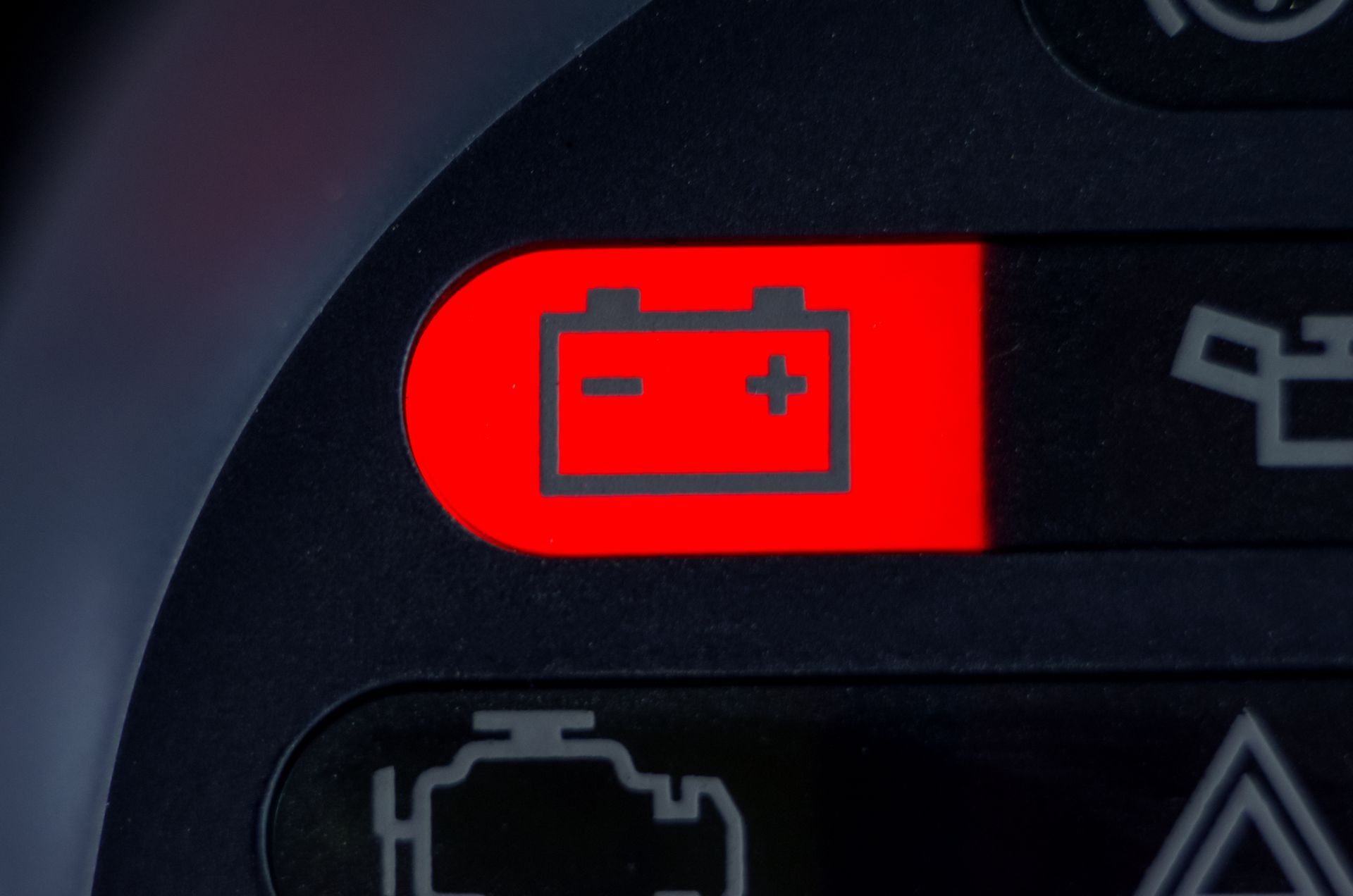
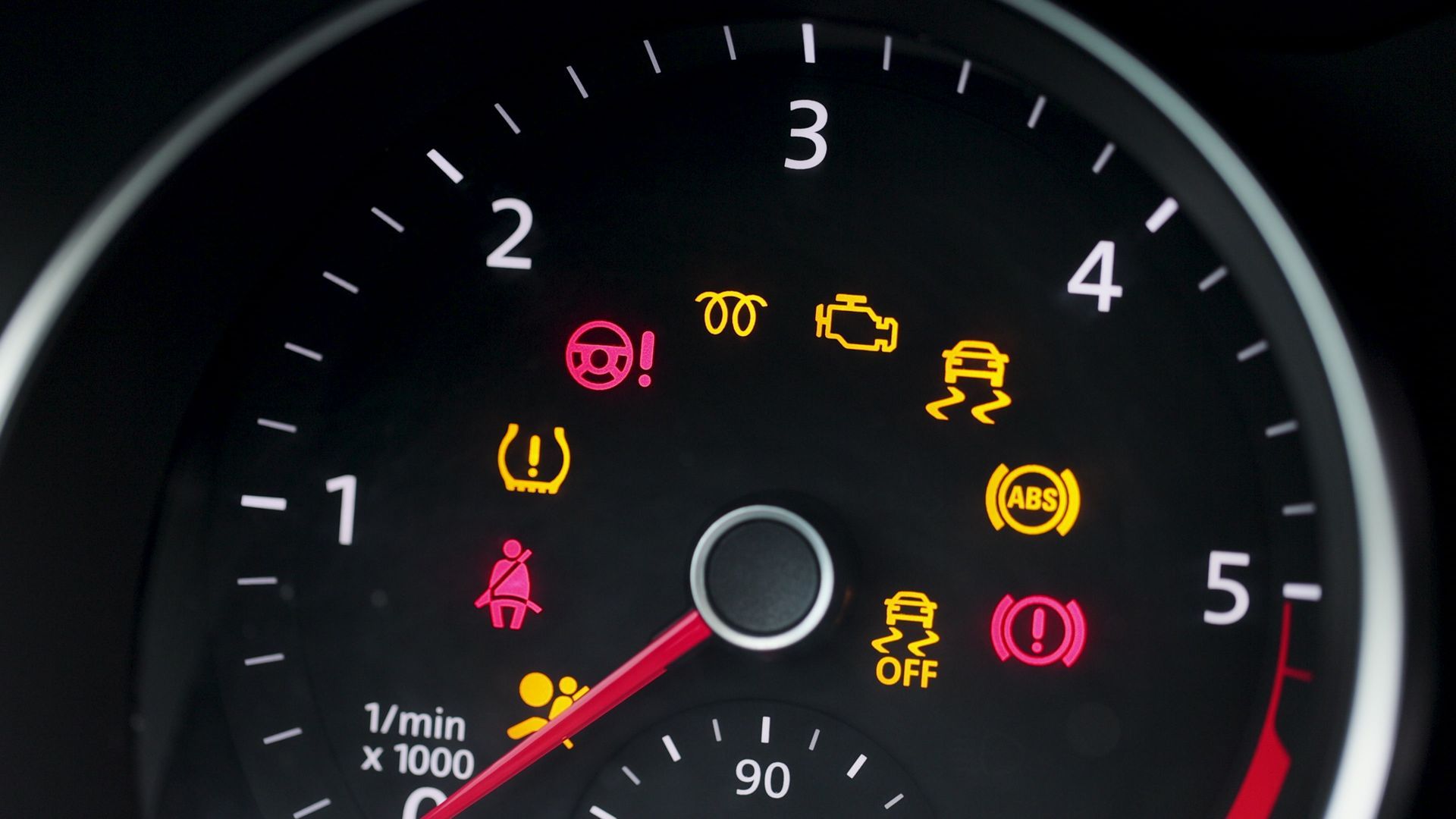
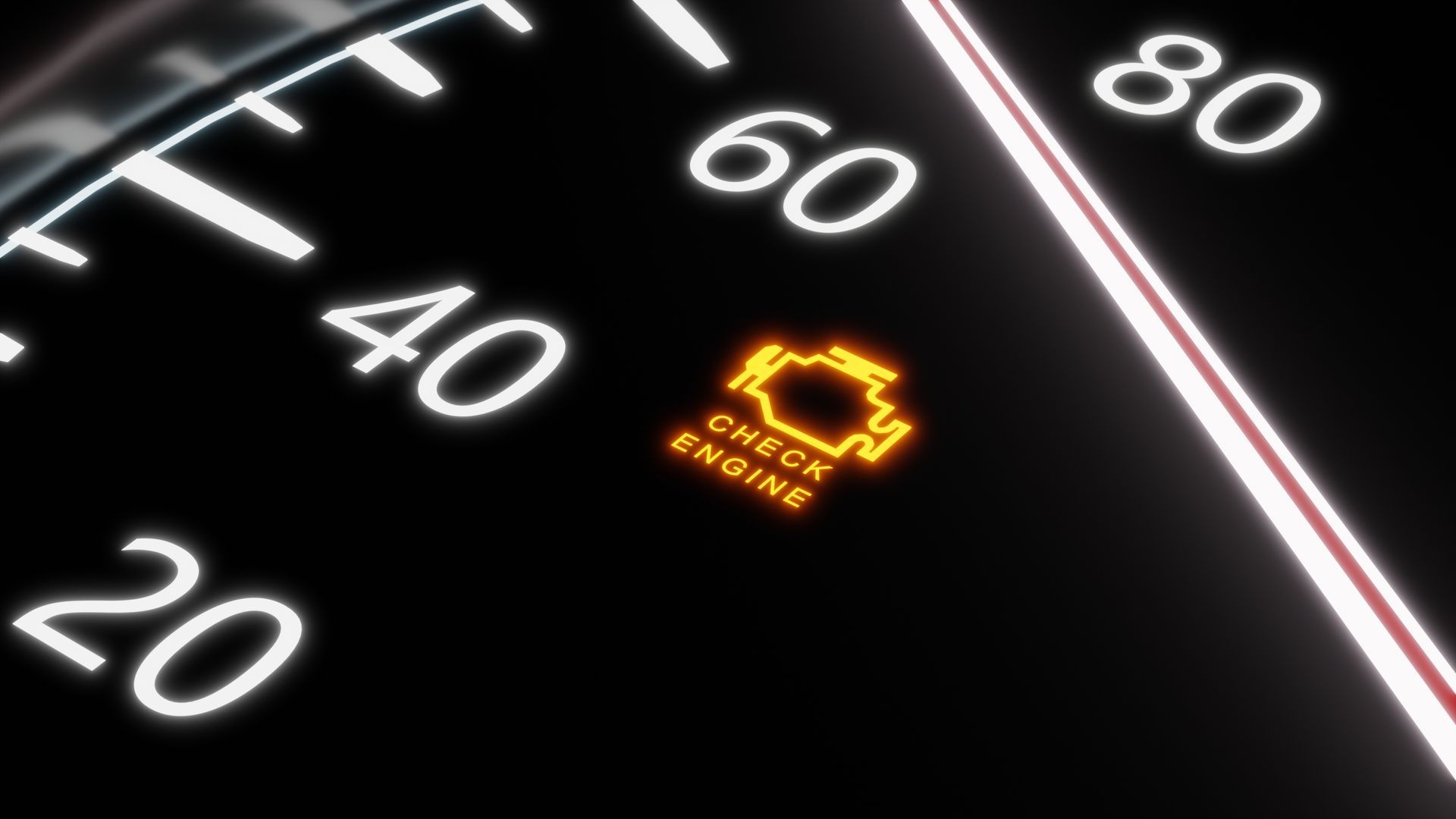
The oil pressure light on the dashboard is not the same as an oil change reminder. If that light comes on while driving, the engine may not have enough oil pressure to protect itself. That can cause damage quickly.
If the oil pressure light appears, pull over safely and shut the engine off. Check the level when it is safe to do so, but understand that adding oil may not fix the reason the pressure dropped. A bad pump, internal wear, a clogged pickup, a low oil level, or a sensor issue can all be involved.
Do not keep driving just because the engine still sounds okay. Low oil pressure is one warning you do not want to test.
Use Oil Checks To Catch Leaks Early
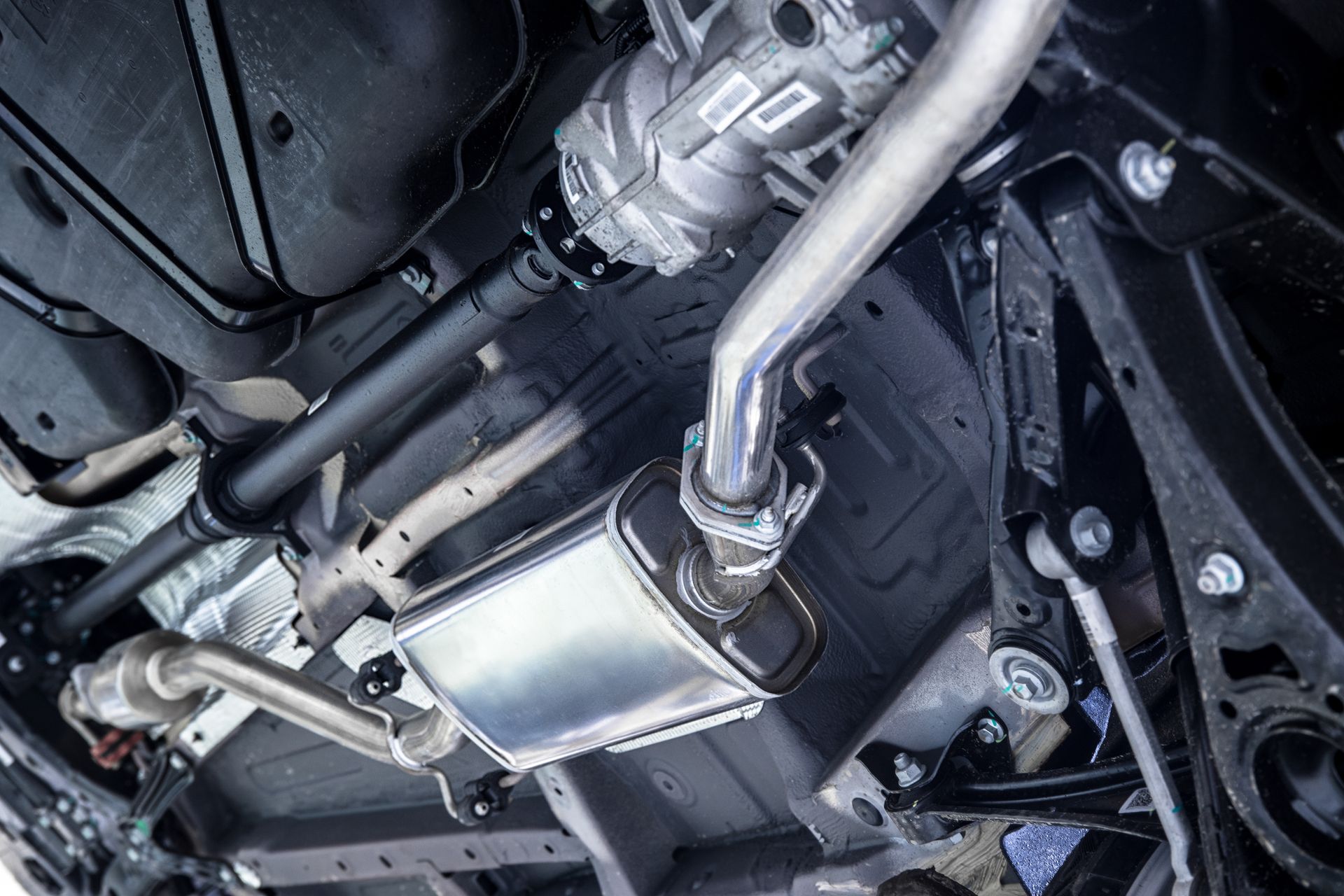
Oil leaks do not always leave spots on the driveway. Oil can collect on splash shields, run down the engine, or burn off on hot exhaust parts. A faint burnt-oil smell after driving can be the first clue.
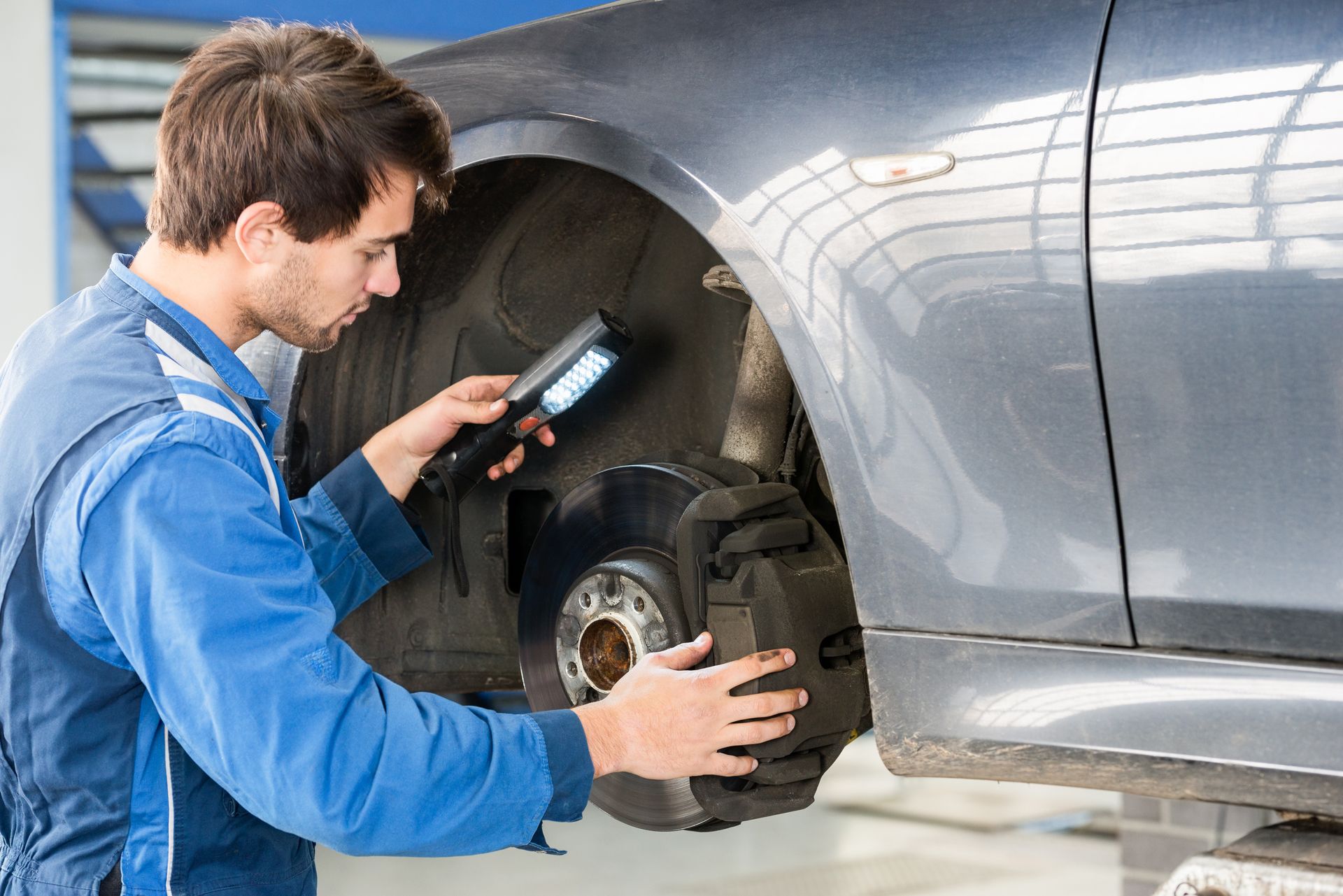
Look around the oil filter area, valve cover area, oil pan, and underneath the vehicle if you can do so safely. You are not trying to diagnose the whole engine in your driveway. You are looking for fresh wetness, drips, smoke, or a smell that keeps coming back.
Get Oil Check And Oil Change Service In Media, PA, With Three Suns Auto Care
If your oil level keeps dropping, your oil looks unusual, or you are not sure when it was last changed, Three Suns Auto Care in Media, PA, can check the oil, inspect for leaks, and help keep your engine protected.
Schedule a visit and get a clear answer before low oil turns into a bigger engine problem.