An auto repair estimate can leave you with more questions than answers. The vehicle has a symptom, the shop gives you a price, and now you have to decide whether to approve the work. That is a tough spot when the repair is expensive or the explanation feels thin.
Getting a second opinion can slow that decision down in a useful way. It gives another technician a chance to review the symptom, inspect the vehicle, and see whether the recommended repair truly matches what is happening. Sometimes the first answer is correct. Other times, a second look can prevent the wrong fix.
The First Symptom Does Not Always Point To The Failed Part
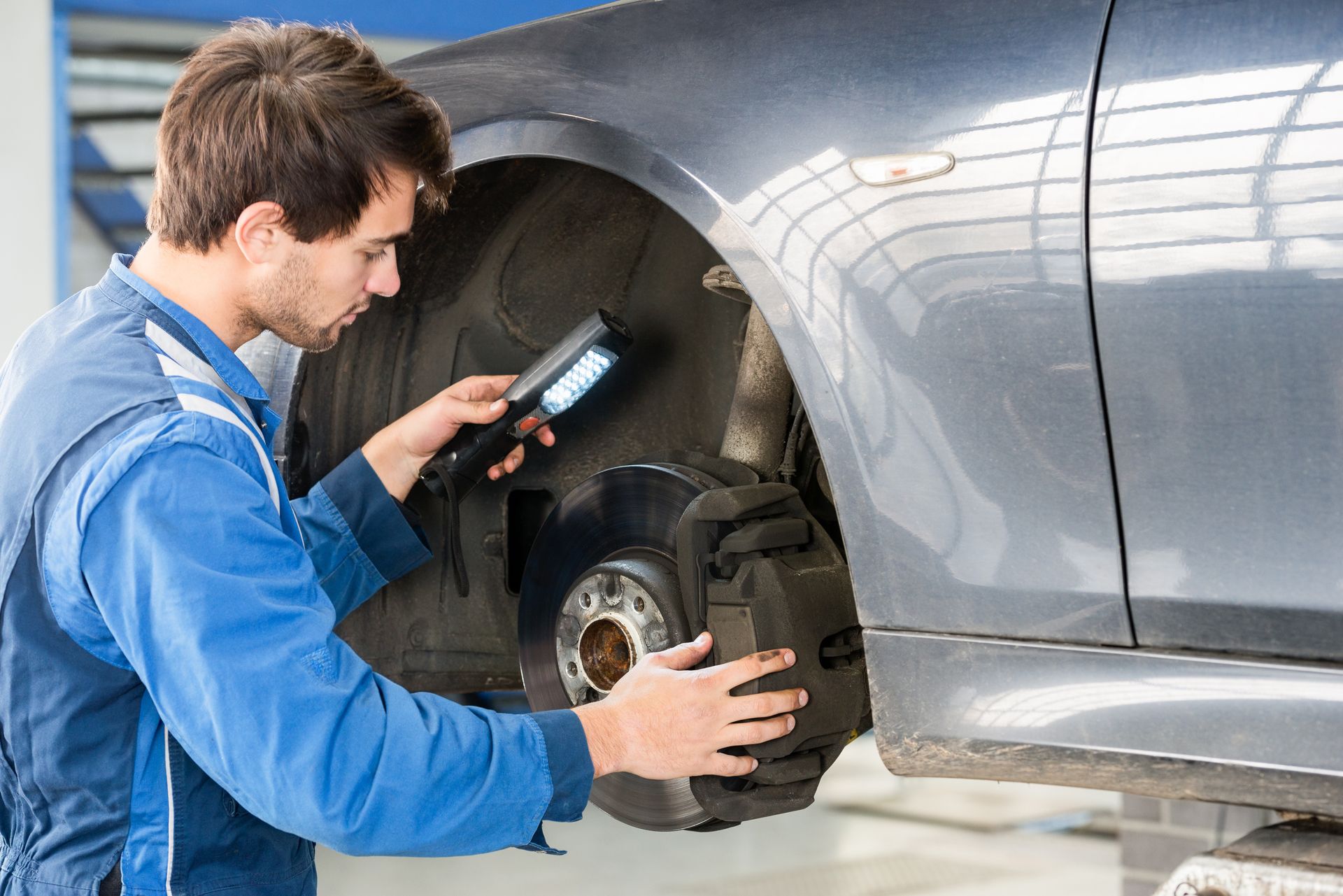
Cars can be misleading. A noise from the front end might sound like brakes, but it could come from a wheel bearing, tire wear, suspension part, or loose hardware. A shaking steering wheel during braking might point to rotors, but tires and suspension still need to be checked.
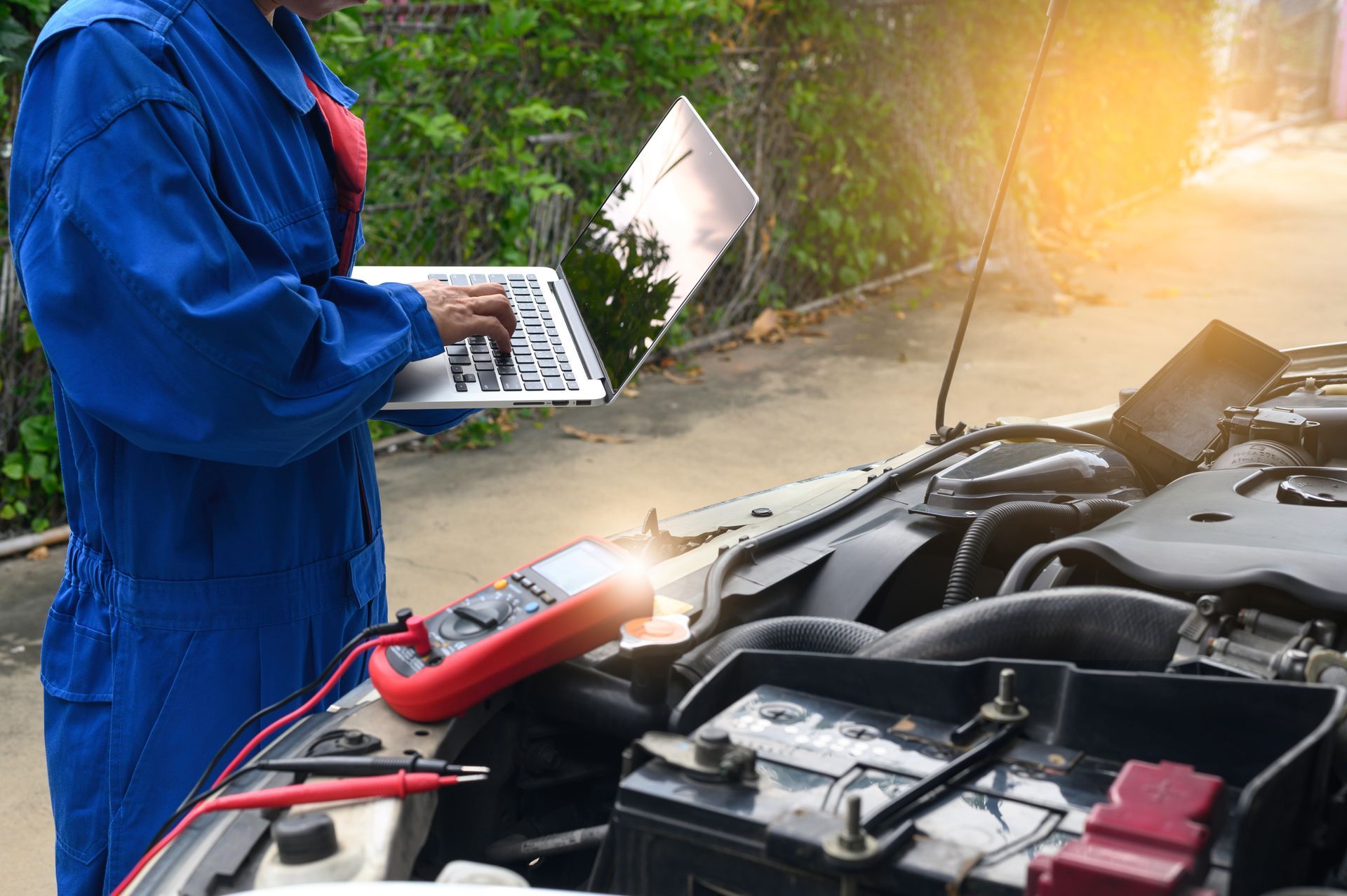
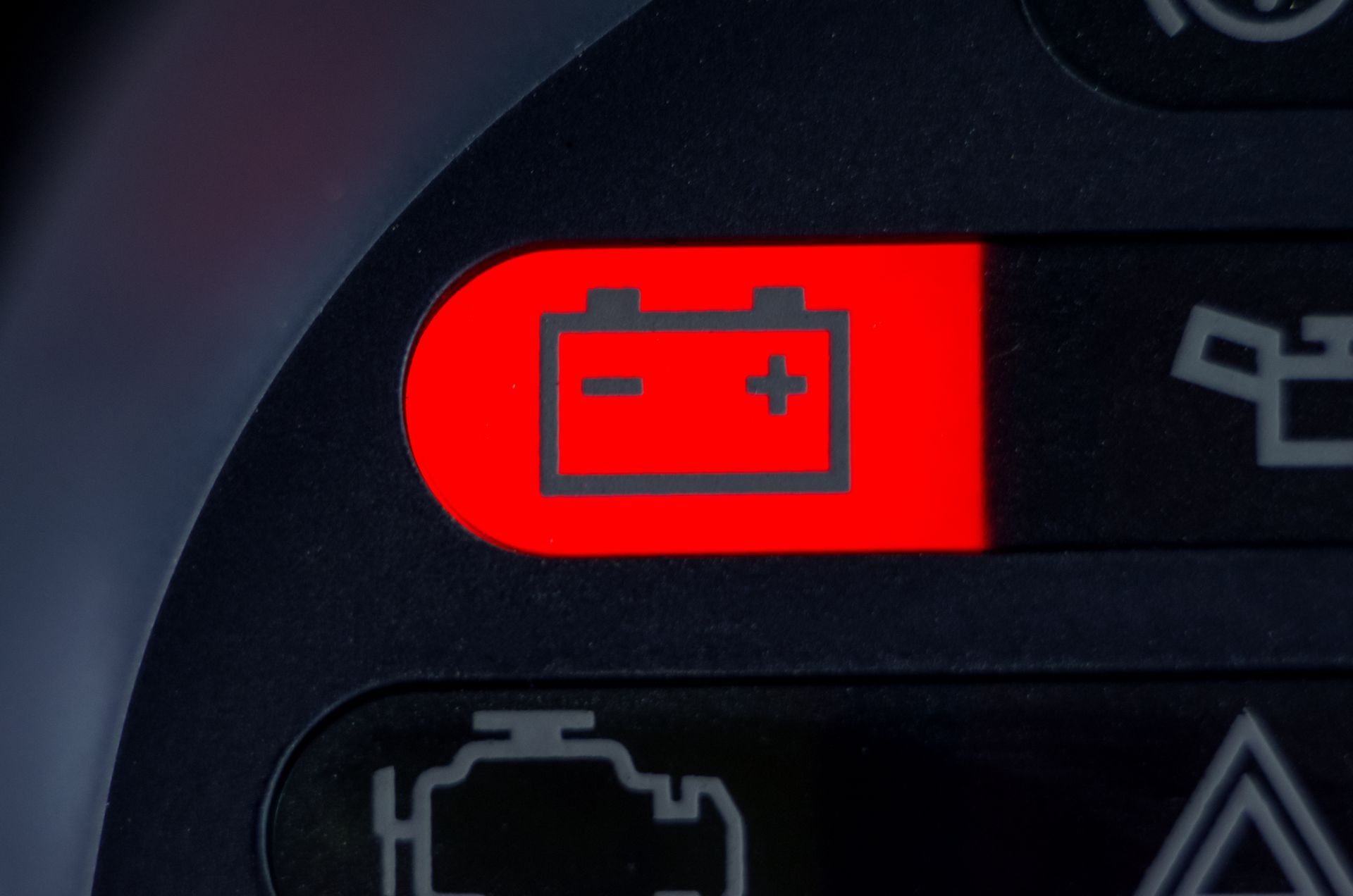
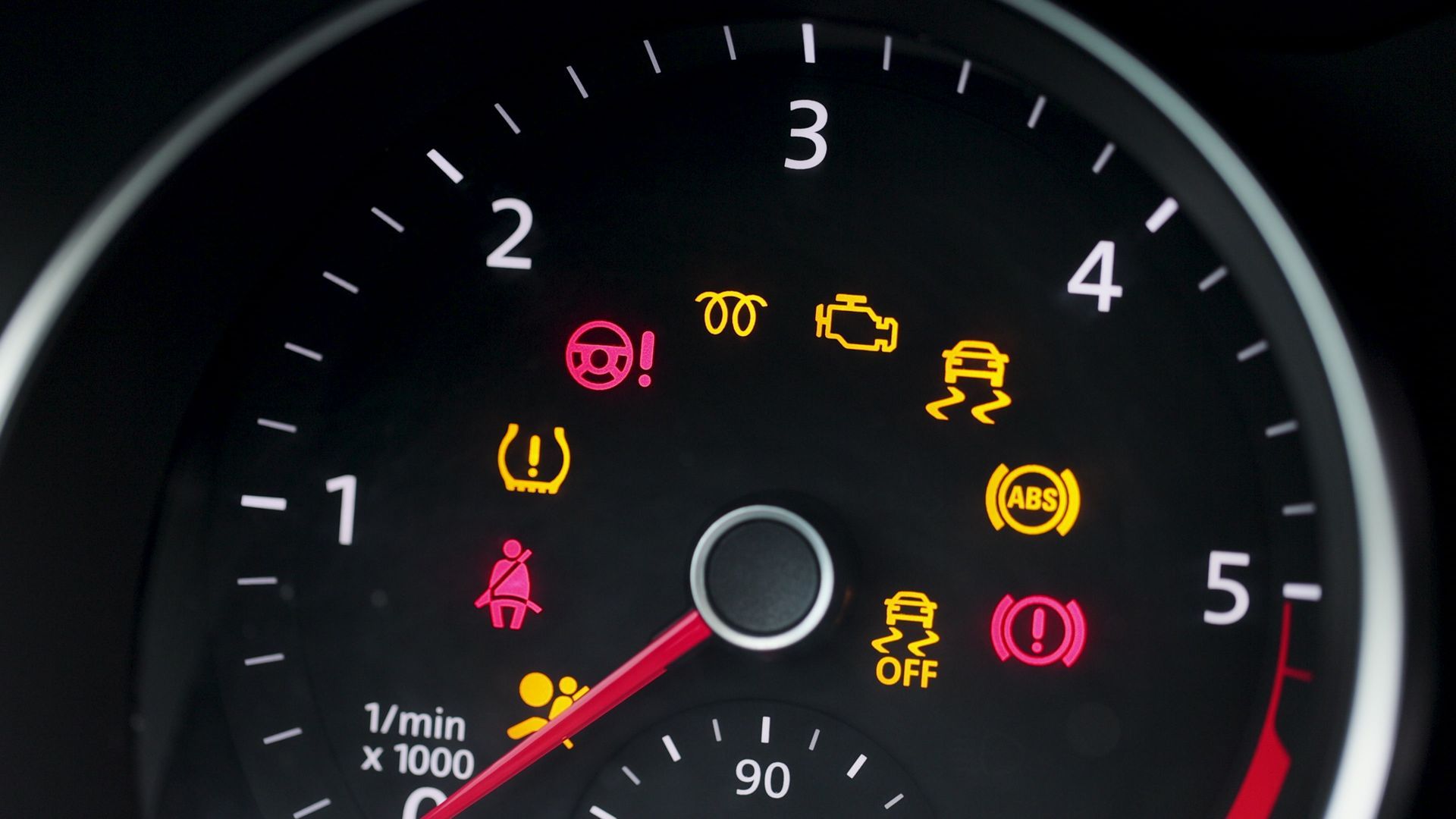
The same thing happens with warning lights. A code may mention one sensor, but the real issue could be a leak, wiring problem, poor ground, or engine performance concern. Replacing the part named in the code is not always the same as fixing the cause. A second opinion can help confirm whether the symptom and the repair recommendation align.
Expensive Repairs Deserve Clear Testing
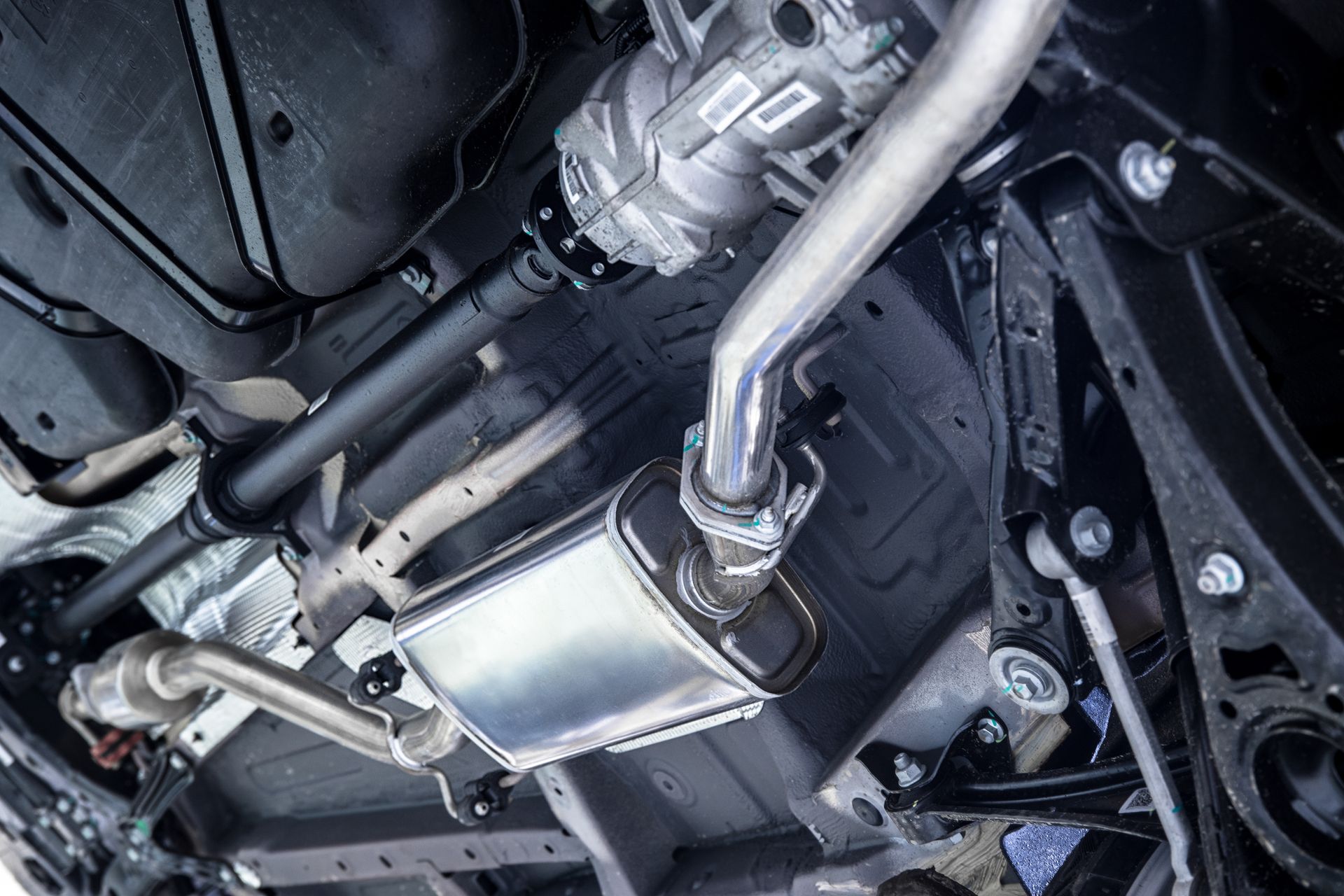
Some repairs cost enough that drivers should feel confident before approving them. Transmission work, engine repairs, catalytic converter replacement, A/C compressor replacement, head gasket work, and electrical repairs can all add up quickly. A high estimate should be backed by clear testing, not a vague explanation.
You should know what was checked, what failed, and why that repair is being recommended. If the answer sounds rushed or if the estimate jumps straight to a major part without supporting details, another inspection can help. Good testing can either confirm the repair or point the technician in a better direction.
A Second Opinion Can Catch Missed Basics
Not every wrong repair comes from a complicated problem. Sometimes the basic checks were skipped. A weak battery connection can look like a starter problem. Low coolant levels can lead to overheating and damage before the leak is found. A loose air intake hose can trigger drivability symptoms that seem more serious than they are.
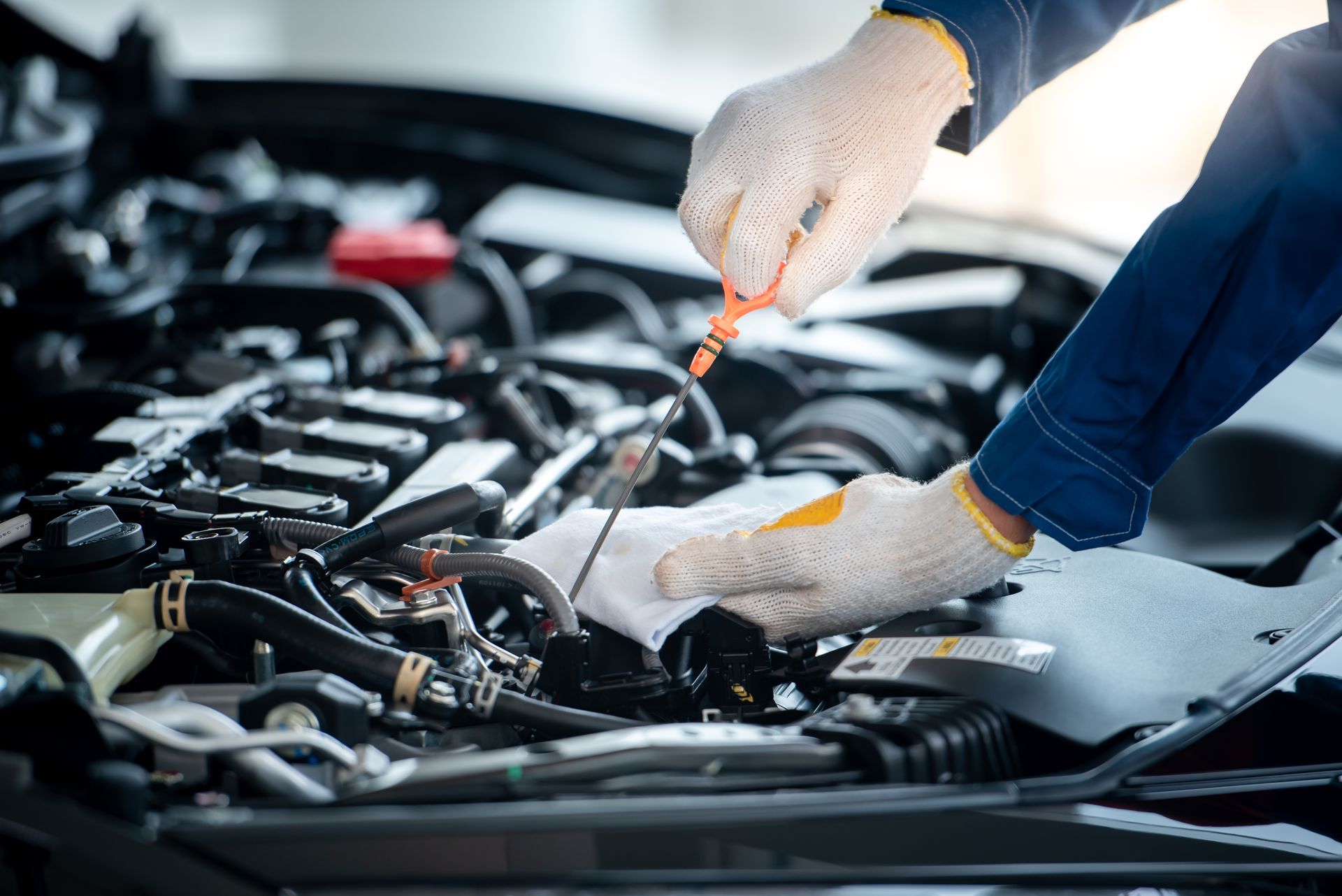
Basic does not mean unimportant. Fluid levels, tire condition, belt condition, leaks, wiring, grounds, filters, and service history can all change the answer. Regular maintenance records help too, because they show what has already been replaced and what is overdue. A second opinion gives those details another chance to be noticed.
You May Learn What Is Urgent And What Can Wait
A repair estimate can feel bigger when every line item is presented with the same level of urgency. In real life, not every repair carries the same risk. Some concerns require immediate attention because they affect safety or can quickly damage the vehicle. Others can be planned, monitored, or handled at a later visit.
For example, a brake fluid leak should not wait. A lightly worn bushing may be something to monitor if the vehicle is still safe and driving well. A second opinion can help separate immediate repairs from maintenance planning. That can make the estimate easier to understand and easier to budget for.
Parts Can Be Blamed When The System Is The Problem
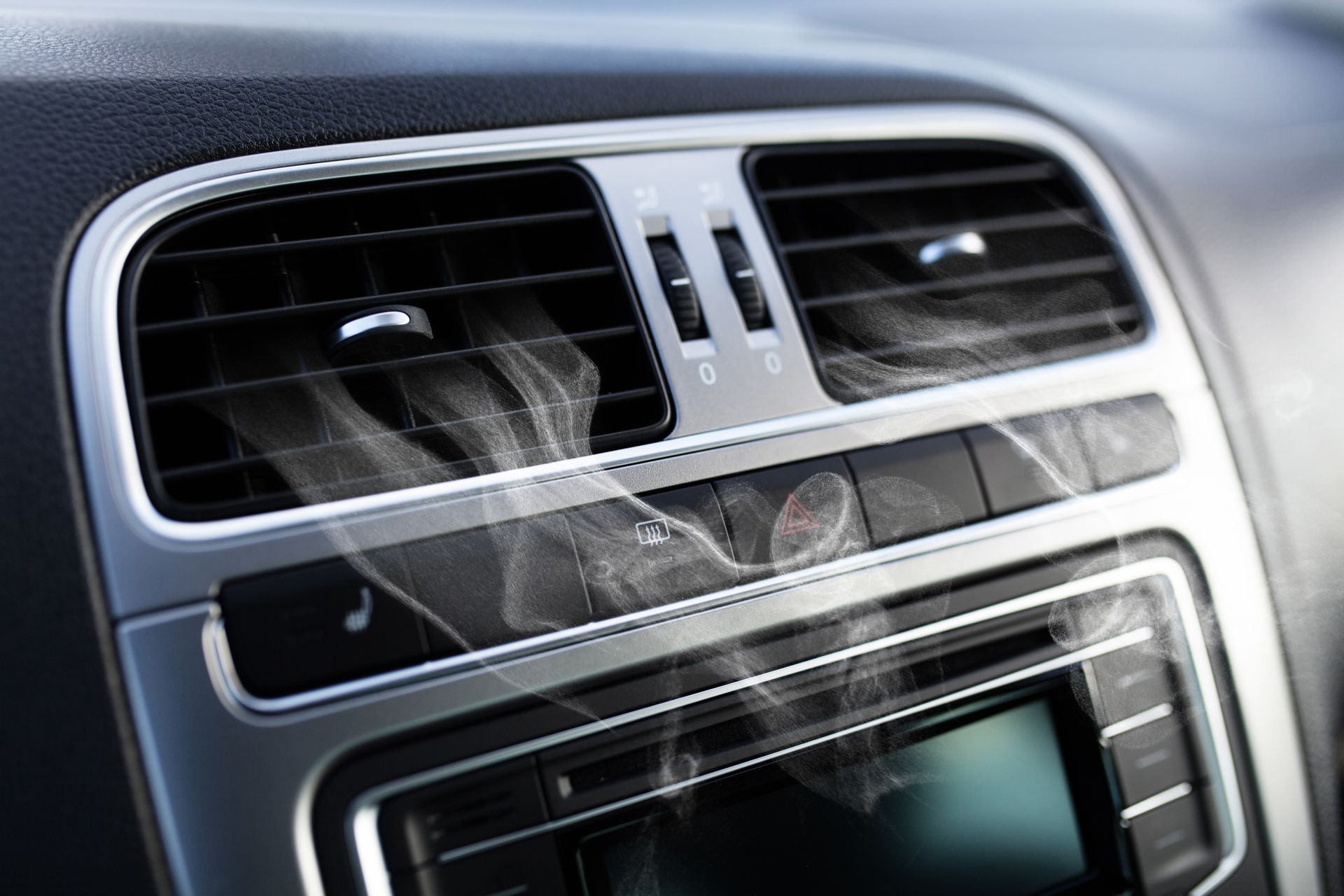
Many vehicle parts depend on the systems around them. A failed alternator could be caused by age, but belt tension, wiring, battery condition, and corrosion should still be checked. A failed A/C compressor may be the result of low refrigerant, a leak, electrical trouble, or contamination in the system.
Replacing one part without checking the rest of the system can lead to repeat failure. That is one of the most frustrating versions of the wrong fix. The car gets repaired, the bill gets paid, and the same symptom returns. A careful inspection examines why the part failed, not just whether it failed.
A Lower Price Is Not Always The Better Answer
A second opinion should not only be about finding the cheapest estimate. A cheaper repair can omit needed parts, fluids, labor steps, programming, alignment, or related services. It can also use parts that do not fit the vehicle well or do not carry the same warranty.
The better question is whether the estimate is accurate and complete. What is included? What is being tested? What happens if only part of the repair is done? A useful second opinion explains the trade-offs so you can make a decision without feeling pushed into the lowest or highest price.
Bring The Original Estimate If You Have It
If you want a second opinion, bring the first estimate, notes, photos, warning light information, and any recent repair records. Those details help the next technician understand what was already recommended. They can also reveal whether the first shop saw something valid that still needs to be checked.
The vehicle should still be inspected. Paperwork alone is not enough. A road test, scan, fluid check, visual inspection, measurements, or system test may be needed to confirm the concern. That hands-on review is what makes the second opinion useful instead of just another price comparison.
Get A Second Opinion On Auto Repair In Media, PA, With Three Suns Auto Care
If an auto repair estimate feels unclear, too expensive, or does not match what your vehicle is doing, Three Suns Auto Care in Media, PA, can take a closer look and explain what we find.
For a clear second opinion before you approve the wrong fix, contact us to schedule an appointment.