Your car is still several thousand miles away from its next oil change, but the date on the service reminder has already passed. Does engine oil really need replacing when you barely drive? It sometimes does. Modern oil is durable, but mileage tells only part of the story.
Time, engine temperature, short trips, fuel contamination, and the manufacturer's maintenance limits all influence how long it remains in service. The right interval accounts for more than the odometer.
Engine Oil Service Has Both Time and Mileage Limits
Most vehicle manufacturers specify oil change intervals using mileage, elapsed time, or a maintenance monitoring system. Many schedules follow whichever limit arrives first. The exact interval varies with the engine, oil approval, driving conditions, and model year. A vehicle driven only 3,000 miles in a year may still be due for service if its calendar limit has passed.
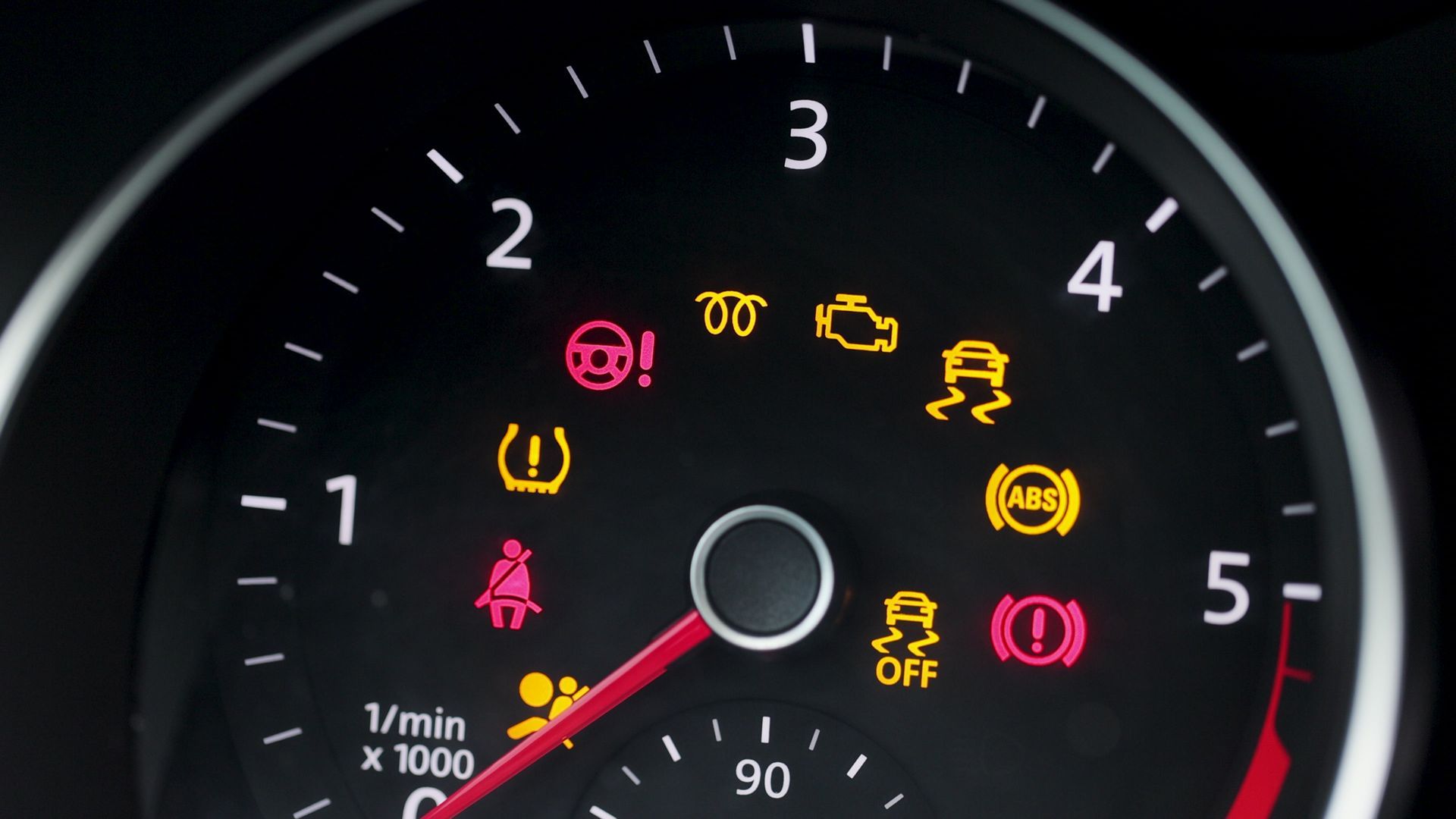
We review the owner's maintenance requirements instead of applying one interval to every car. Some vehicles use oil-life calculations based on operating conditions, while others rely on different methods. Resetting the dashboard reminder doesn't restore the oil's condition. It only starts the monitor again, so the actual service needs to come first.
Why Short Trips Are Hard on Engine Oil
An engine produces moisture and small amounts of fuel-related contamination during normal operation, especially while it's warming up. A longer drive brings the oil to a high enough temperature to help remove some of that contamination through the ventilation system. Short errands often end before the oil becomes thoroughly hot. The coolant temperature gauge may reach normal long before the engine oil does.
For someone driving only a few miles to work, repeated starts and warmups create a different maintenance pattern from highway commuting. Does the car spend most of its time on short trips around Media? Tell us during service. We consider the driving routine when reviewing the schedule and look for signs of fuel dilution or moisture if the engine shows related symptoms.
Can Synthetic Engine Oil Last Indefinitely?
Synthetic oils often resist temperature-related breakdown better than many conventional oils. That doesn't make them immune to contamination or the manufacturer's time limit. An oil's approval for a specific engine is more important than a bottle promising the longest possible mileage. Even high-quality oil cannot compensate for a coolant leak or repeated fuel dilution.
The longer the oil stays in the engine, the more important it becomes to follow the correct service guidance. Some engines have demanding lubrication requirements for turbochargers, timing systems, or variable valve controls. We confirm the specified grade and approval before adding fresh oil. Using the wrong formula is not a shortcut to stretching the interval.
Oil Color Alone Doesn't Reveal the Remaining Service Life
Dark engine oil isn't automatically exhausted. Detergent additives suspend contaminants, and some oils darken quickly while still doing their job. Conversely, light-colored oil can contain fuel or moisture that isn't visible on the dipstick. Looking only at color misses the operating history that determines the correct service timing.
A strong fuel smell in the oil, a rising oil level, or milky contamination under the right conditions warrants further testing. We check for the cause instead of simply replacing the oil and forgetting the symptom. A leaking fuel injector or cooling system problem damages the next fill as well if the underlying fault remains.
What Happens When a Car Sits Parked for Months?
Oil in an engine that remains completely parked is exposed to different conditions from oil used on daily short trips. It isn't accumulating combustion byproducts during storage, but the service calendar still applies. Temperature changes, prior contamination, and the vehicle's condition before storage all affect the decision. Briefly idling the engine every couple of weeks is not a reliable substitute for normal driving or maintenance.
Track these details while planning oil service:
- Date and mileage of the previous oil change
- Oil grade and manufacturer approval used
- Typical trip distance and driving conditions
- Length of time the vehicle remains parked
- Unexpected changes in oil level or engine operation
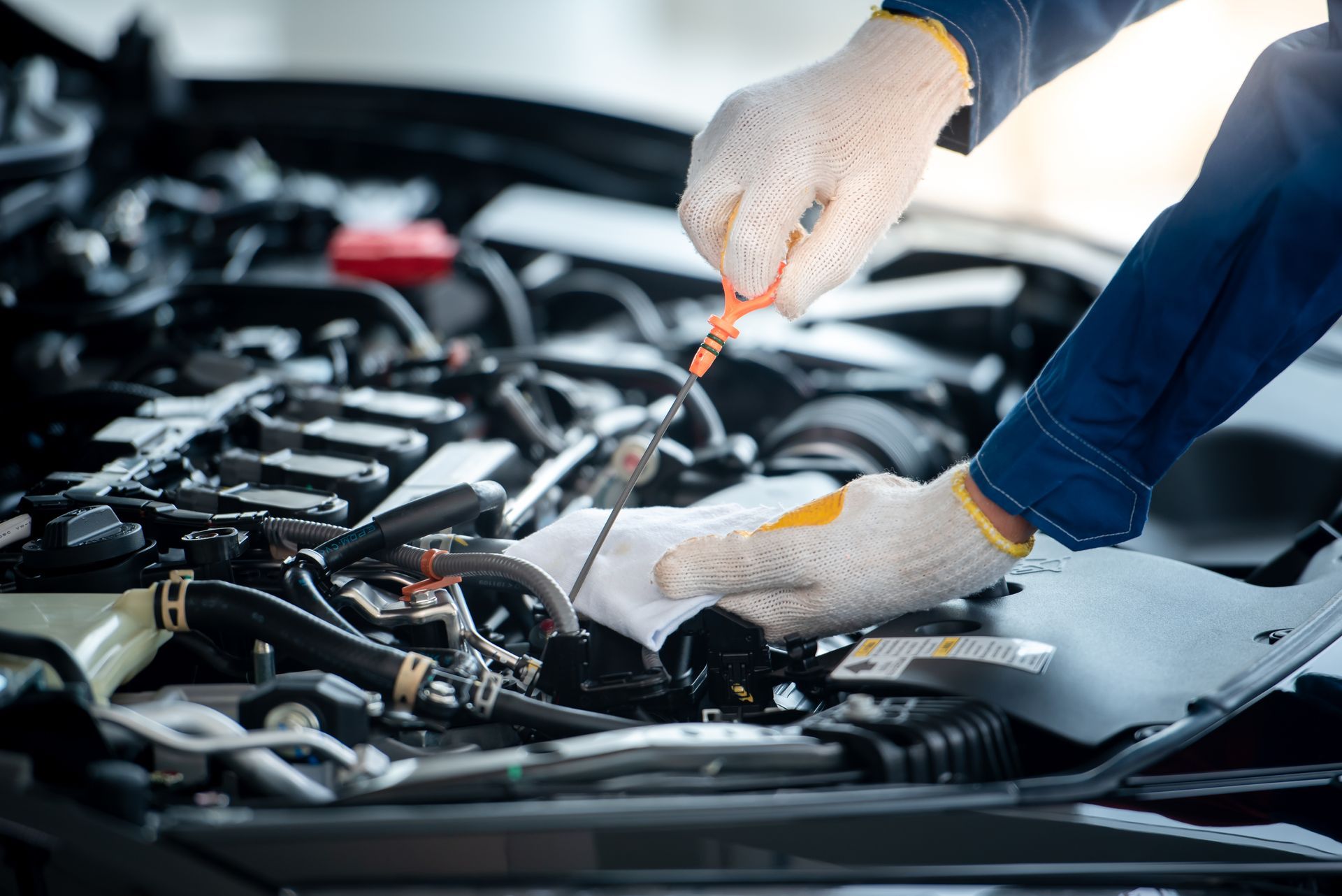
Good records prevent an overdue service and help separate normal maintenance from a mechanical concern. Check the level regularly using the procedure in the owner's manual, especially before a long drive after storage.
How Oil Aging Affects Engine Wear and Performance
Engine oil lubricates bearings, piston surfaces, timing components, and other moving parts while carrying heat and contaminants away. As contamination increases or protective properties decline, wear protection becomes less dependable. Severe service conditions accelerate that process. Some engines respond with timing-related noises or other symptoms when oil condition or level becomes poor.
Waiting for an audible problem is a costly way to determine the oil was overdue. We inspect for leaks, confirm the filter is correct, and change the oil using the required specification. If the oil pressure warning comes on while driving, shut the engine off when safe and request professional assistance. An oil change is not a repair for a low-pressure mechanical failure.
When to Schedule an Oil Change Before the Mileage Limit
Use the calendar and maintenance monitor together with the owner's manual. A vehicle driven mostly on short journeys, used for frequent stop-and-go traffic, or stored for long periods may require closer review of the service schedule. An annual visit is a convenient time to examine other age-related items, including the battery, tires, and cooling system, when the manufacturer's guidance supports that timing.
We can review your last invoice and help establish a clear plan for the next service. You don't need to guess from the oil's color or wait for the car to feel different. Fresh, approved oil and a correctly installed filter are relatively simple ways to protect a much more expensive engine.
Get Engine Oil Change and Maintenance Service in Media, PA, With Three Suns Auto Care
Three Suns Auto Care in Media, PA, reviews oil service history, driving patterns, and manufacturer requirements before recommending the next engine oil change. We'll use the correct oil and filter and check for issues that could shorten oil life.
Book a service visit if the calendar interval has arrived, even when the mileage remains low.