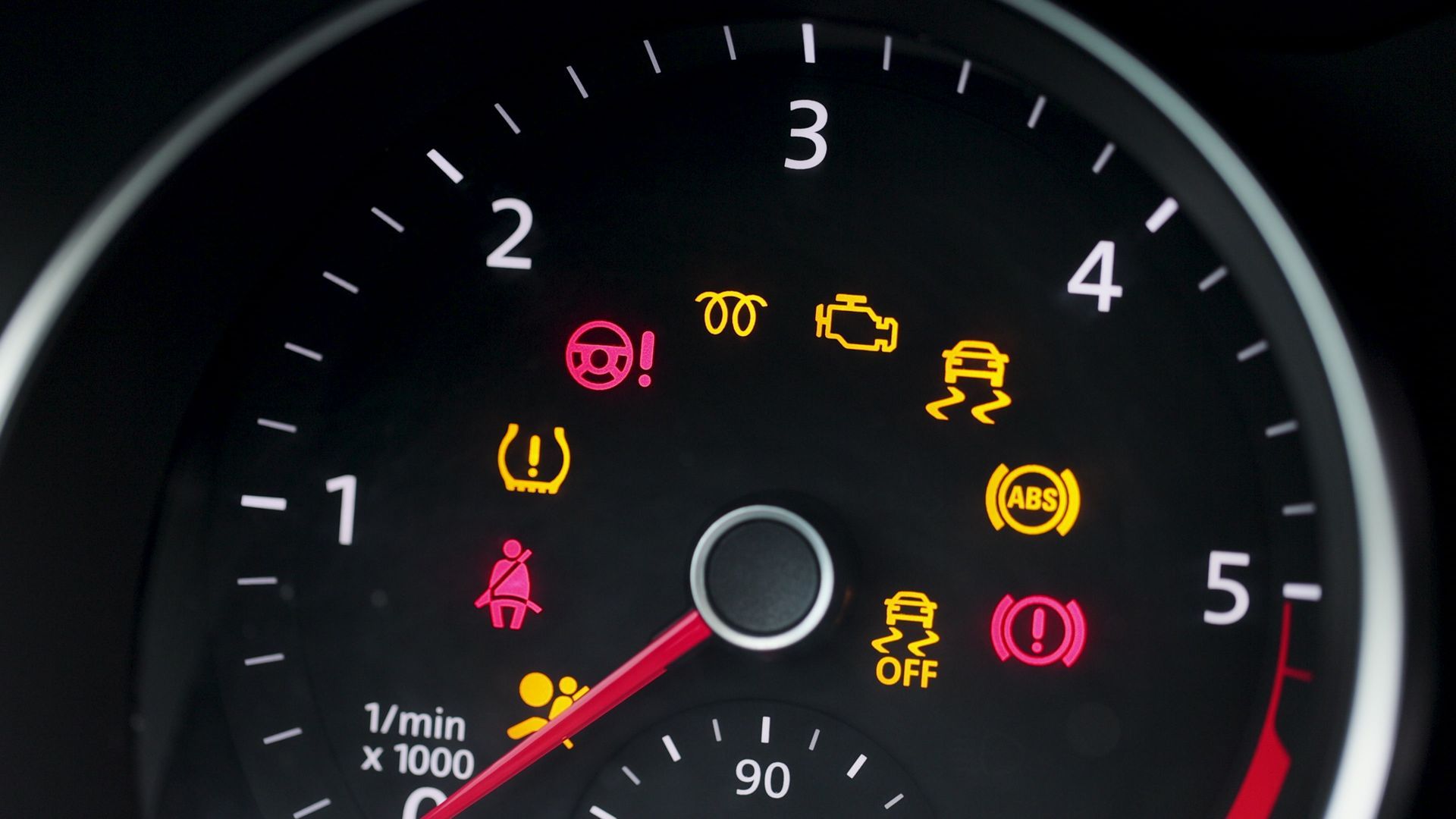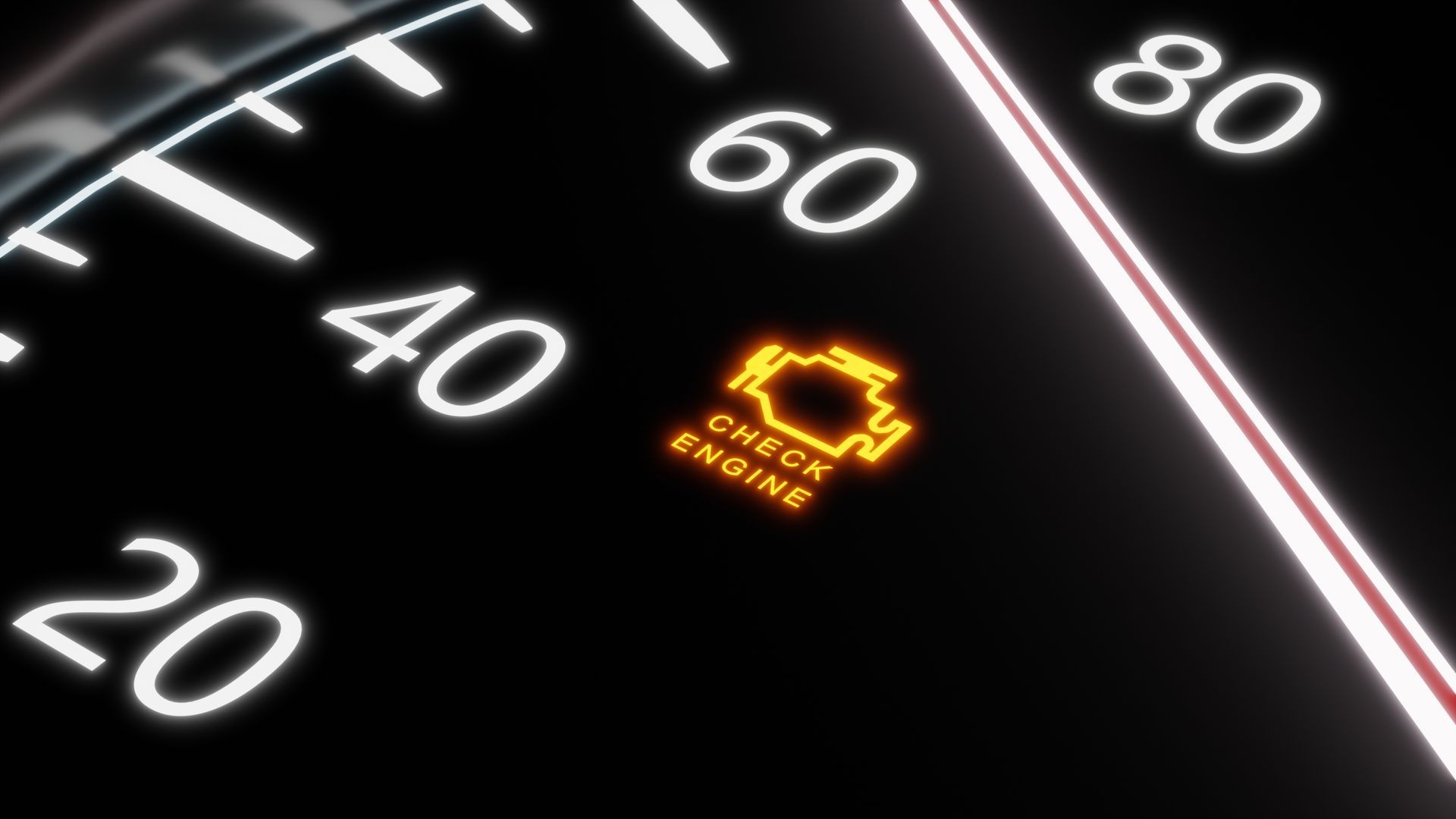
The battery-shaped warning light is easy to misunderstand. Many drivers see it and assume the battery is worn out, but the warning usually means the vehicle’s charging system is not operating correctly. The battery may still be healthy, or it may only be weak because another part stopped keeping it charged.
When the light appears while the engine is running, the car may be relying on the limited electricity stored in the battery. It can continue to run for a short period, but once the energy is gone, the engine may stall and refuse to restart. Finding the cause quickly can prevent an unexpected shutdown in traffic.
What The Battery Warning Light Monitors
The charging system supplies electricity while the engine is running. The alternator powers the lights, ignition system, fuel system, computers, blower motor, cooling fans, and other electrical equipment. At the same time, it restores the energy the battery used to start the engine.
If system voltage moves outside the expected range, the battery light can turn on. Low voltage is more common, but excessive alternator output can trigger problems too. The warning does not identify one failed part. It tells you that the charging system needs testing.
A Bad Alternator Is A Common Cause
The alternator is one of the first parts technicians check when the battery light remains on after startup. Internal brushes, bearings, diodes, windings, or the voltage regulator can wear out. An alternator may stop charging completely or produce weak output that changes with temperature and engine speed.
You may notice dim headlights, slow power windows, a whining sound, flickering interior lights, or several warning messages appearing at once. Some alternators work when cold and fail after the engine bay heats up, causing the battery light to come and go during the same trip.
The Battery Can Still Be Part Of The Problem
A weak or damaged battery can contribute to charging system concerns, especially if it has an internal short, cannot hold a charge, or has been deeply discharged several times. An aging battery may start the engine one day and struggle the next, particularly during cold weather.
Still, replacing the battery without checking the alternator can lead to the same problem returning. A new battery may keep the car running temporarily, but it will eventually run out of power if the charging system does not replenish it. The battery and alternator should be tested together.
The Serpentine Belt May Have Stopped Turning The Alternator
Most alternators are driven by the serpentine belt. If the belt slips, breaks, or comes off a pulley, the alternator cannot generate power. A weak tensioner, seized pulley, oil contamination, or worn belt can all interrupt charging.
On some vehicles, that same belt drives the water pump. If the belt fails, the battery light may appear at the same time the engine begins overheating. Loud squealing, rising temperature, or suddenly heavy steering can mean the belt system has a serious problem that requires the vehicle to be stopped.
Cables And Electrical Connections Can Interrupt Charging
The alternator can produce electricity, but damaged cables prevent that power from reaching the battery and the rest of the vehicle. Loose battery terminals, corrosion, broken wires, poor grounds, and resistance inside an aging cable can all trigger the warning.
Connection problems may cause symptoms that appear and disappear. The lights may flicker over bumps, the engine may crank slowly, or electrical accessories may behave strangely. Voltage-drop testing helps identify resistance that may not be visible during a quick inspection.
Signs The Vehicle Is Running Out Of Electrical Power
Once the alternator stops charging, the vehicle begins using the battery’s remaining energy. As voltage continues dropping, electrical systems can fail one after another.
- Headlights and dashboard lights become dimmer.
- The blower motor slows down.
- Power steering assistance may decrease on vehicles with electric steering.
- The engine begins running unevenly or losing power.
- Several unrelated warning lights appear.
- Screens, audio systems, and other accessories shut off.
- The transmission may shift differently as control modules lose stable voltage.
Eventually, the ignition, fuel system, and engine computer can no longer operate, and the engine stalls. Once that happens, the battery may not have enough power left to crank the starter.
Can You Keep Driving With The Light On?
There is no reliable distance the car can travel after the battery warning appears. A fully charged battery with few accessories running may last longer than an older battery powering headlights, wipers, cooling fans, and the A/C blower. Heavy traffic can also increase electrical demand while giving the alternator no chance to recover if its output is weak.
If the car still feels normal and a repair facility is close, drive directly there while reducing unnecessary electrical use. Do not continue if the temperature rises, steering becomes difficult, the lights become very dim, or the engine begins to lose power. Those signs mean the problem is becoming more urgent.
Why A Jump-Start May Not Solve It
A jump-start can get the engine running when the battery is discharged, but it does not repair the reason the battery lost power. If the alternator has failed, the vehicle may stall again shortly after the jumper cables are removed.
Repeated jump-starts can also hide a charging problem until the car stops somewhere less convenient. If the battery keeps going dead, the vehicle needs an inspection rather than another recharge. The shop should check for alternator output, battery condition, poor connections, and an electrical draw while the vehicle is parked.
How The Charging System Is Tested
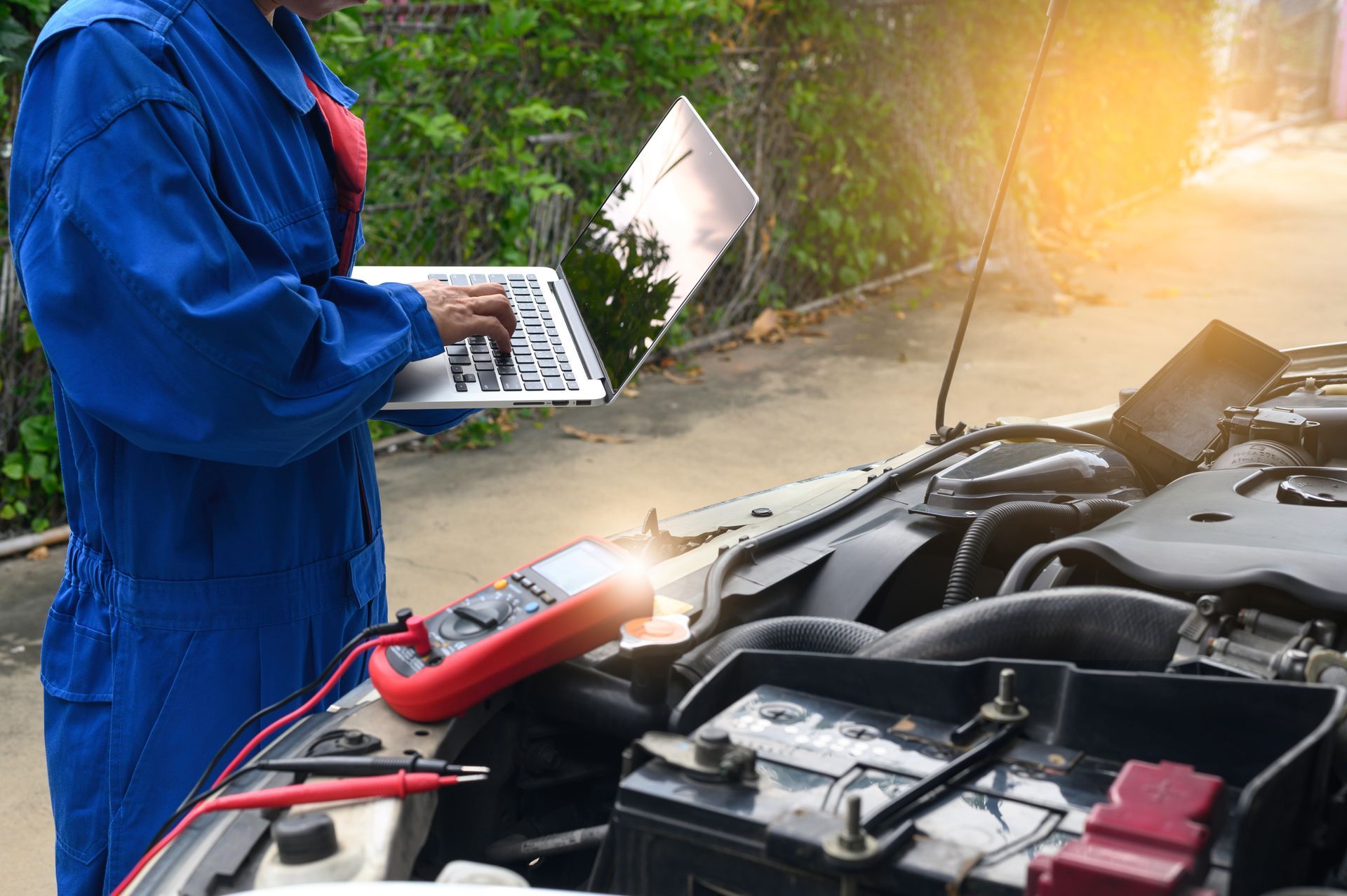
A technician can measure battery voltage with the engine off, test its ability to deliver starting power, and check alternator output with the engine running. The inspection should also include the belt, tensioner, pulleys, terminals, grounds, wiring, and stored fault codes.
Regular maintenance can catch a weak battery, cracked belt, or corroded connection before the warning appears. Testing the entire system is important because replacing one part based only on the dashboard symbol can leave the original cause untouched.
Get Battery Warning Light Diagnostics In Media, PA, With Three Suns Auto Care
If the battery light is on, Three Suns Auto Care in Media, PA, can test the battery, alternator, belt drive, cables, grounds, and complete charging system.