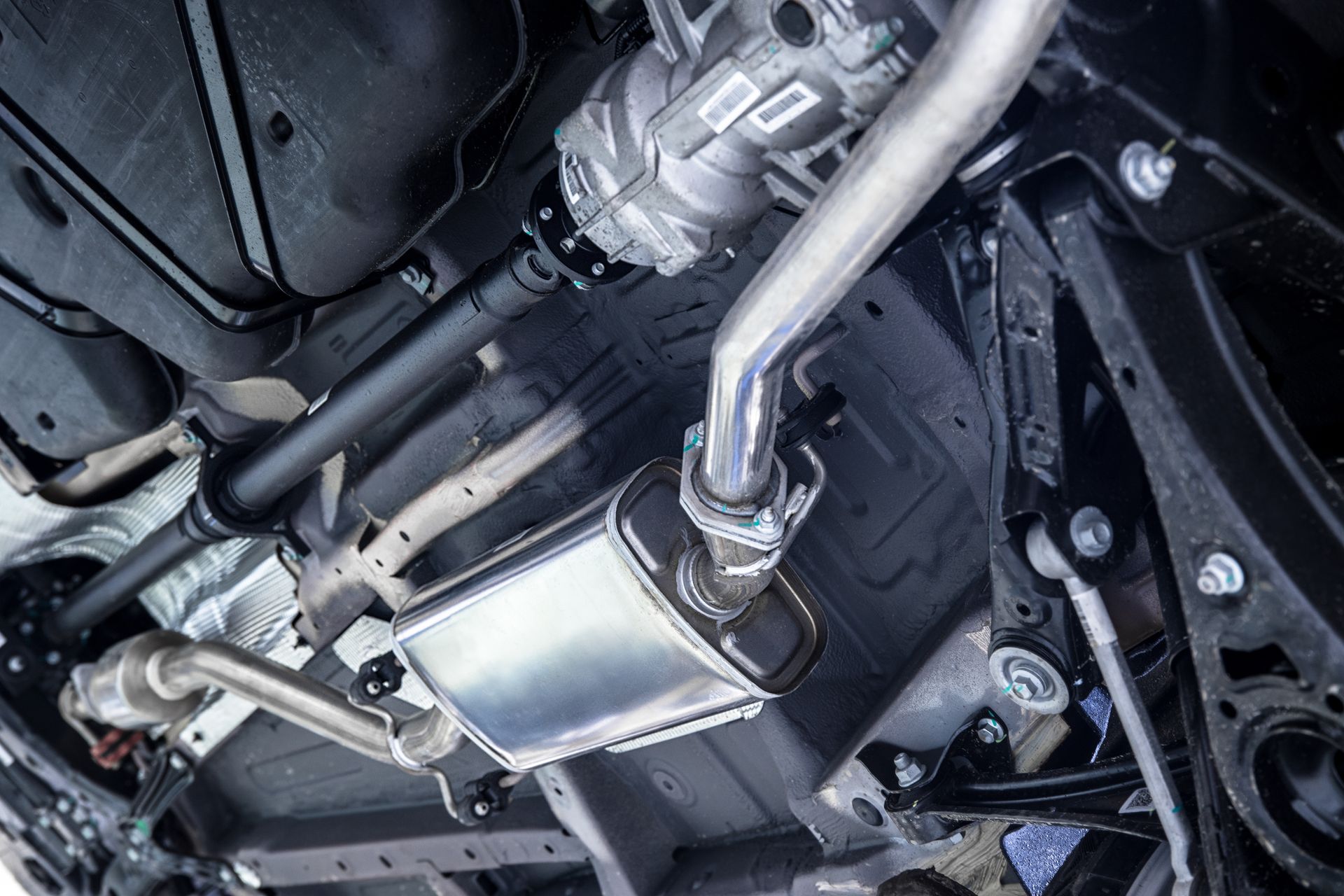
The term tune-up has been around for decades, but what it means has changed significantly. Older vehicles needed regular adjustments to ignition timing, carburetors, distributor components, and other mechanical systems that modern cars no longer use.
Today, a complete tune-up is usually a combination of scheduled maintenance, inspection, and testing based on the vehicle’s mileage, condition, and manufacturer recommendations. Instead of making the same adjustments to every car, technicians focus on the parts and systems that actually affect engine performance, fuel economy, reliability, and emissions.
Spark Plugs Are Still a Major Part of a Tune-Up
Spark plugs remain one of the most recognizable tune-up items. They ignite the air-fuel mixture inside the cylinders, and worn plugs can contribute to misfires, difficult starting, reduced fuel economy, and weaker acceleration.
Replacement intervals vary widely. Some spark plugs may be due around 30,000 miles, while long-life iridium or platinum plugs can remain in service much longer. The correct interval depends on the engine and the type of plug specified by the manufacturer, so mileage should be checked against the actual service schedule.
Ignition Coils and Boots Should Be Checked
Modern vehicles generally use electronic ignition coils instead of distributors and traditional spark plug wires. Many engines have one ignition coil mounted directly over each spark plug, while others use different coil arrangements.
Ignition coils are usually replaced when testing confirms a problem rather than as a routine tune-up item. Coil boots should still be checked for cracking, oil contamination, carbon tracking, or damage when the spark plugs are removed. Replacing a coil that is working correctly simply because the plugs are due is usually unnecessary.
The Engine Air Filter May Need Replacement
The engine air filter keeps dust, dirt, and debris from entering the intake system. As the filter becomes loaded, airflow can become restricted, especially under heavier engine demand.
A technician can inspect the filter and compare its condition with the recommended service interval. Vehicles driven on dusty roads or in dirty environments may need filters more frequently than cars used primarily on cleaner paved roads. Replacing a filter based on actual condition is more useful than automatically installing one at every tune-up.
Fuel and Air Delivery Need to Be Evaluated
A modern engine depends on electronic fuel injection, sensors, and computer-controlled airflow rather than carburetor adjustments. If the vehicle has a rough idle, hesitation, poor fuel economy, or lack of power, technicians may need to evaluate fuel trims, airflow readings, throttle operation, and injector performance.
Throttle body deposits can sometimes affect idle quality or airflow, but cleaning should be performed when needed rather than treated as mandatory for every vehicle. Some electronically controlled throttle bodies also require specific cleaning procedures or relearn steps afterward.
A Tune-Up Can Include Fluid and Filter Checks
Even when the main concern is engine performance, other maintenance items should not be ignored. Mileage may place the vehicle near a service interval for coolant, transmission fluid, brake fluid, cabin filters, or drivetrain lubricants.
Items that may be reviewed include:
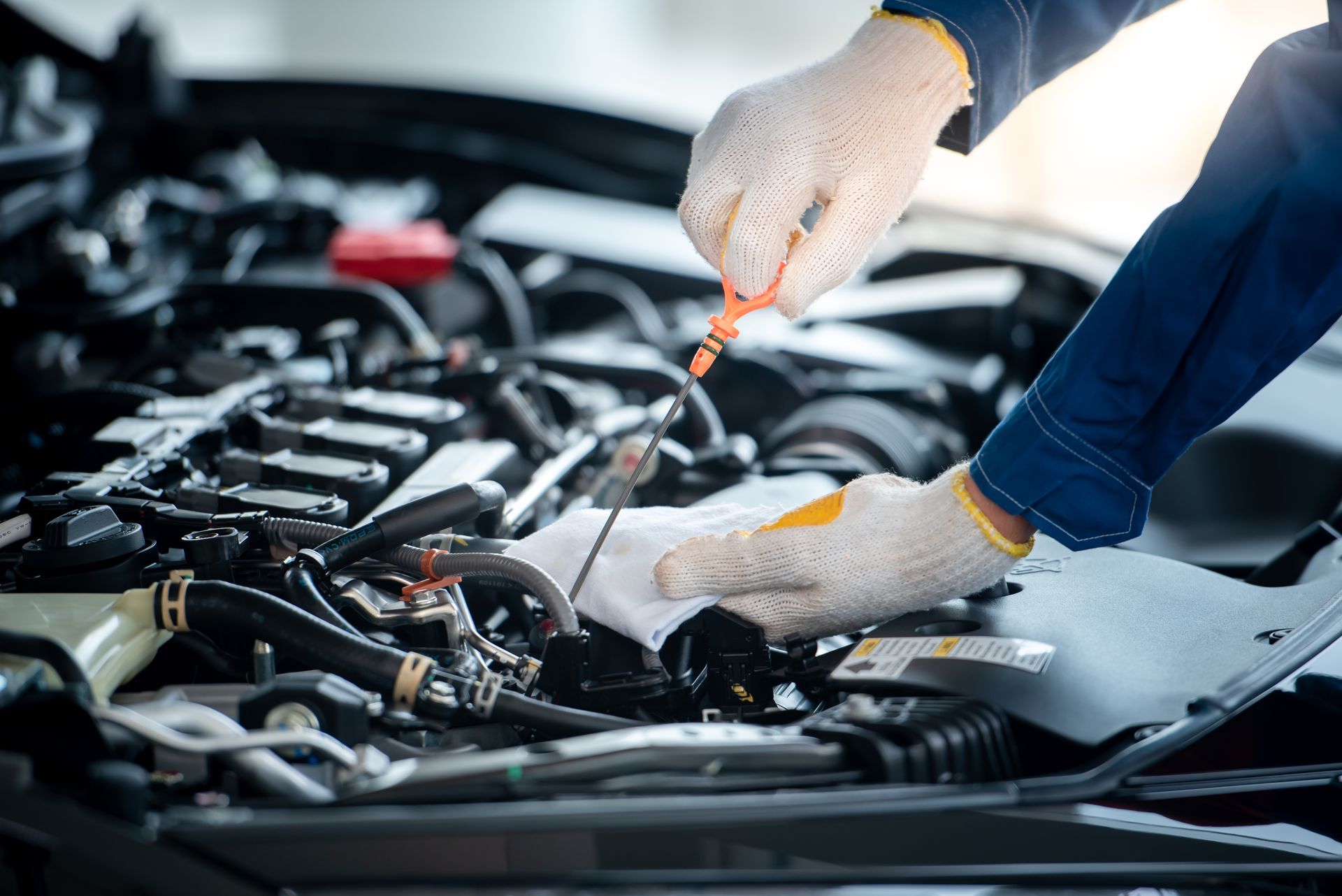
- Engine oil and filter
- Engine air filter
- Cabin air filter
- Coolant condition and level
- Transmission fluid service history
- Brake fluid condition
- PCV system components
- Belts and hoses
Not every item on this list needs replacement during every tune-up. The purpose is to determine what is actually due based on the vehicle rather than selling the same package to everyone.
Belts and Hoses Deserve a Close Look
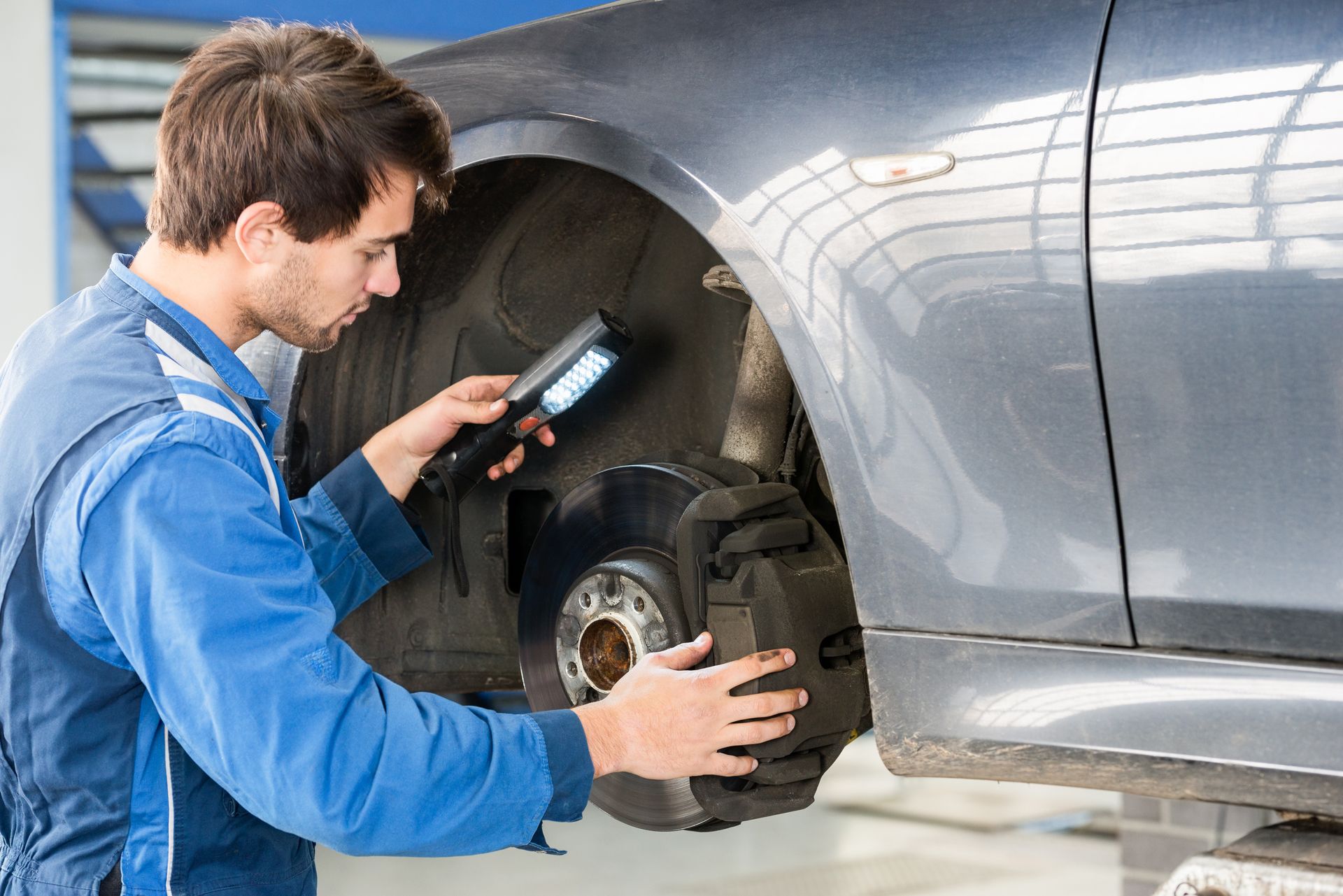
Accessory belts, tensioners, pulleys, coolant hoses, and related components work continuously while the engine is running. Aging rubber, worn belt ribs, damaged pulleys, or small coolant leaks may not create obvious symptoms at first.
A tune-up visit is a useful time to inspect these areas. Finding a deteriorated hose or weak belt tensioner early can prevent a future roadside problem. Timing belts are different from accessory belts and should be replaced according to their specific mileage and age requirements if the engine uses one.
Modern Tune-Ups Often Include Computer Testing
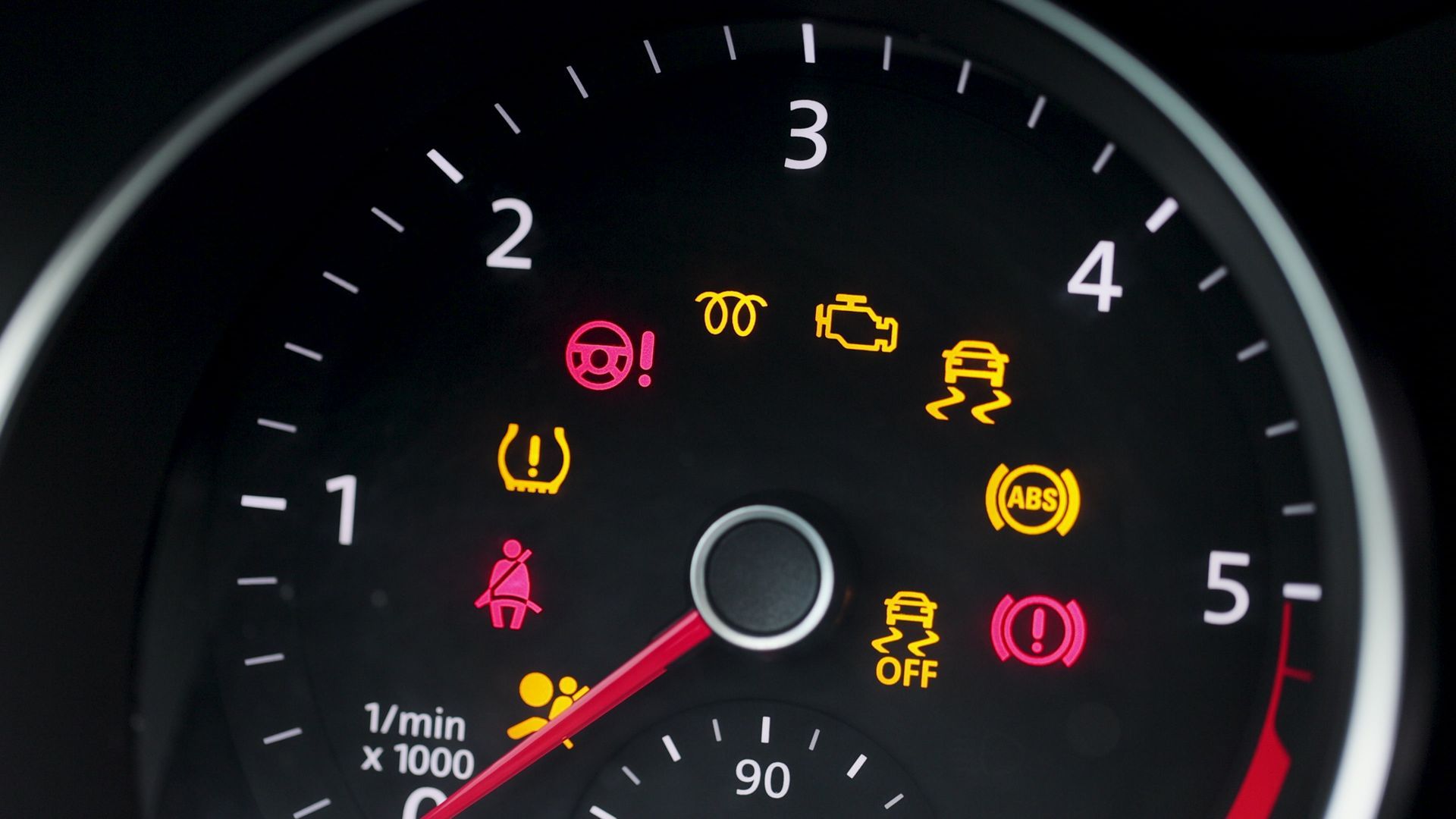
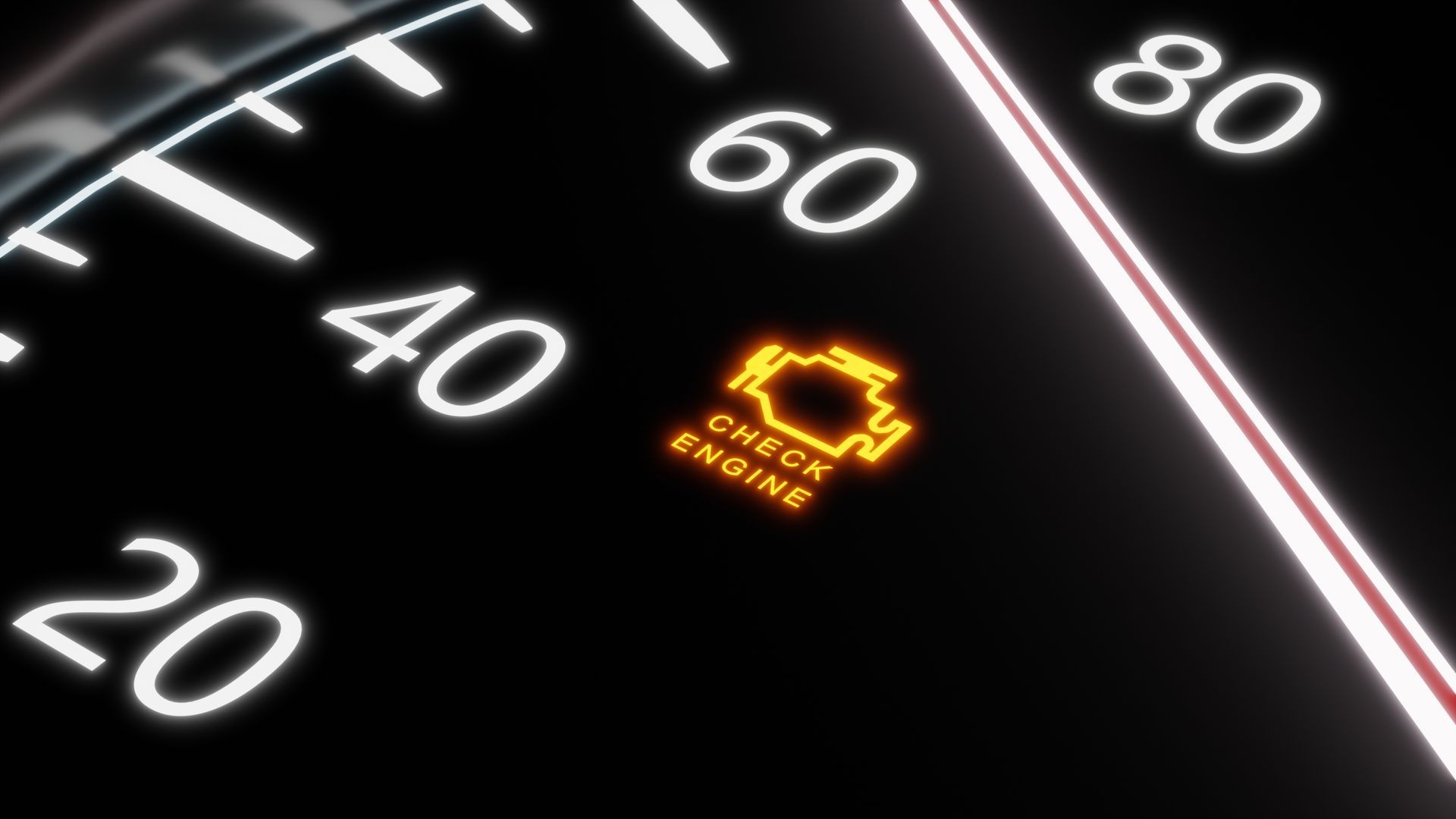
A check engine light, rough idle, hesitation, or misfire should not be handled by replacing spark plugs and hoping the problem disappears. Modern engine management systems provide valuable information through stored fault codes and live operating data.
Technicians can review misfire counts, fuel trims, sensor readings, throttle position, airflow, and other information to help identify the cause of a performance concern. A trouble code points toward a system or condition, but proper testing is needed before deciding which part requires repair.
Battery and Charging Condition Can Affect Engine Performance
Modern vehicles rely heavily on stable electrical voltage. A weak battery, poor connection, or charging problem can sometimes create starting difficulties, warning lights, or unusual electronic behavior that feels like an engine problem.
Checking battery condition and charging voltage during regular maintenance can reveal issues before the vehicle refuses to start. Terminals and cables should also be inspected for corrosion or looseness, particularly if the driver has noticed slower cranking.
There Is No Single Tune-Up Package for Every Vehicle
A complete tune-up on a modern car should be vehicle-specific. One vehicle may simply need spark plugs and an air filter, while another may need ignition testing, fluid service, throttle cleaning, or attention to a developing engine performance problem.
Service history is important because it prevents maintenance from being repeated too early or forgotten entirely. Reviewing previous work, current mileage, manufacturer requirements, and present symptoms gives technicians a much clearer picture of what the vehicle actually needs.
Get a Complete Tune-Up in Media, PA, With Three Suns Auto Care
Three Suns Auto Care in Media, PA, can review your vehicle’s maintenance history, inspect tune-up components, and perform testing when engine performance has changed.
If your car is due for scheduled service, running poorly, or has not had a complete maintenance review in some time,
contact us to schedule a tune-up.